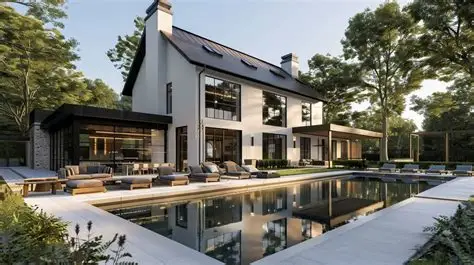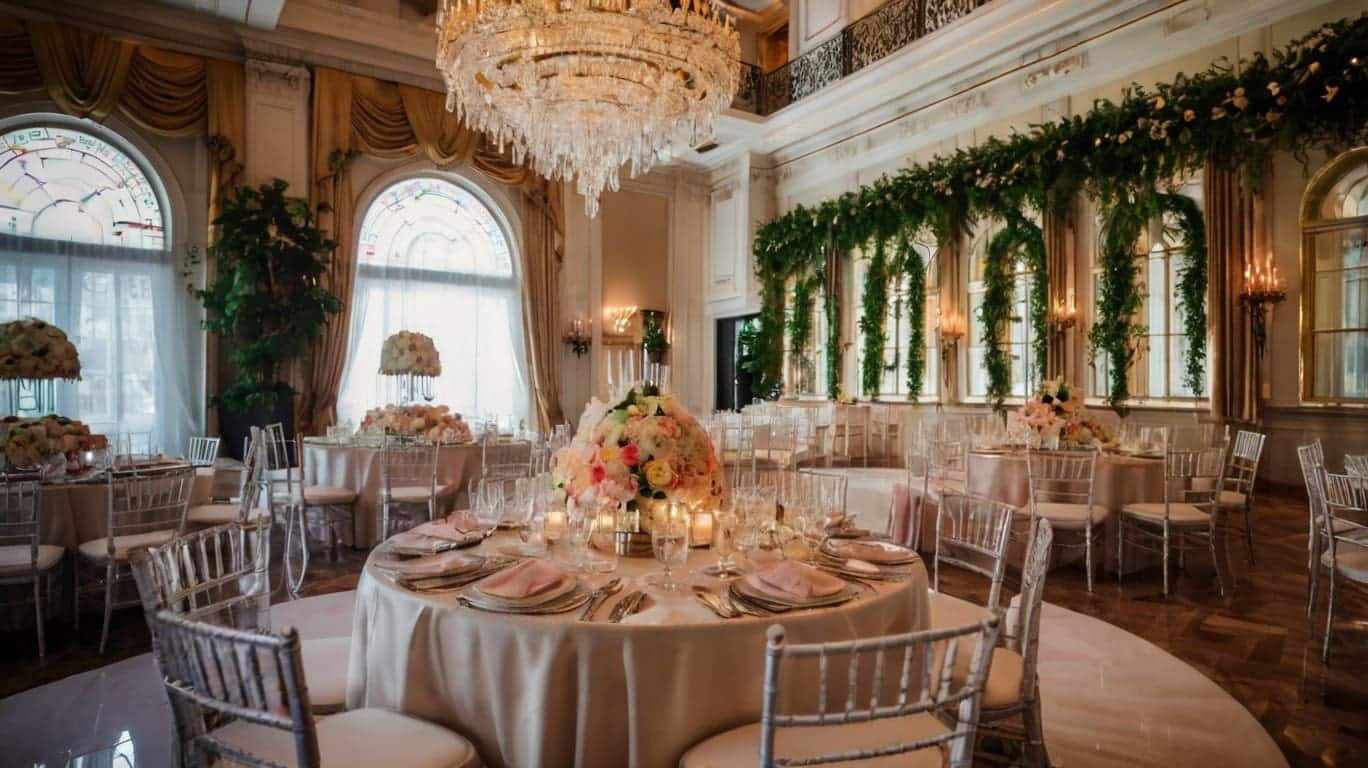
How to Plan Luxury Estate Events on a Budget: Expert Strategies
The orchestration of high-end social gatherings, philanthropic galas, and private corporate symposia within sprawling residential compounds represents a fascinating paradox of scale, aesthetics, and financial restraint. While elite properties project an aura of bottomless capital, private hosts, family offices, and estate directors frequently operate under strict fiscal allocations when programming major galas or multi-day retreats. Navigating how to plan luxury estate events on a budget requires stripping away the superficial excesses of conventional party planning to focus on structural asset utilization, tactical vendor negotiations, and precise logistical sequencing that preserves high-end ambiance without triggering runaway expenses.
Surface-level event production guidelines typically default to generic cost-cutting measures, such as reducing guest counts or selecting low-tier catering services, which inevitably undermine the prestige and functional integrity of a premier estate gathering. A bespoke property featuring historic gardens, specialized art installations, and delicate architectural finishes cannot absorb the heavy wear-and-tear of poorly coordinated event logistics. Achieving true financial efficiency in this arena demands a sophisticated synthesis of facilities management, crowd-flow engineering, and strategic resource allocation that treats the estate itself as the primary experiential anchor rather than purchasing expensive, transient decor.
This analysis examines the operational, financial, and strategic dimensions governing high-end residential event production under financial constraints. By mapping out structural asset leveraging, vendor contract restructuring, crowd-flow optimization, and risk mitigation protocols, this review establishes a definitive reference for estate directors, private hosts, and professional planners seeking sustainable fiscal control over elite property events.
Understanding “how to plan luxury estate events on a budget.”
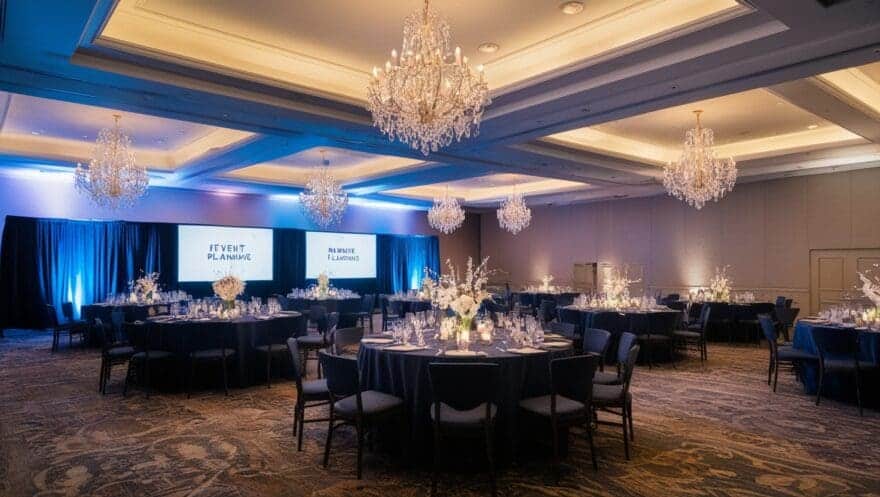
The conceptual framework surrounding how to plan luxury estate events on a budget frequently conjures a contradictory vision of executing lavish, magazine-spread galas while arbitrarily slashing vendor invoices and demanding steep discounts from artisanal caterers. Dissecting this objective through a rigorous operational lens, however, reveals an intricate matrix of infrastructure protection, municipal permitting requirements, guest-flow engineering, and labor deployment. A common misunderstanding assumes that achieving fiscal restraint involves compromising on core guest experiences, such as bar quality or sonic environment, while blindly spending capital on imported floral arrangements that vanish by midnight. In practice, genuine financial optimization in estate event production relies on maximizing the inherent architectural and natural beauty of the property, leveraging native plantings, and shifting capital from transient decor to foundational guest comfort.
Oversimplification also plagues how hosts analyze event overhead, often reducing budget planning to a simplistic per-head catering multiplication formula. While food and beverage line items remain substantial, sustainable luxury event production requires evaluating how tent rentals, power generation, sub-grade restroom facilities, and post-event property remediation impact the aggregate balance sheet. Furthermore, shifting seasonal weather patterns, strict local noise ordinances, and municipal parking restrictions introduce operational variables that casual planners easily overlook, but which can trigger devastating municipal fines and unexpected logistical surcharges if not managed proactively.
Recognizing these operational nuances prevents costly misalignments between ambitious aesthetic expectations and rigid financial parameters. Evaluating complex residential event footprints requires balancing uncompromising elegance with disciplined structural resource management.
Deep Contextual Background
The lineage of large-scale residential entertaining traces back to historical European aristocratic house practices, country estate balls, and twentieth-century Gilded Age patronage models where private compounds functioned as semi-public diplomatic and social theaters. Historically, these functions relied on permanent domestic staff, abundant manual labor, and vast estate infrastructures designed specifically to absorb large gatherings without straining daily operations.
Throughout the late twentieth century, the proliferation of custom luxury architecture, stringent municipal zoning laws, and professional event production agencies introduced sweeping structural changes. Estates evolved into private sanctuaries guarded by strict privacy perimeters, advanced smart-home automation, and delicate bespoke interior finishes that resisted traditional party traffic. As specialized event labor costs escalated and regulatory compliance requirements tightened, hosting an elite gathering transformed from a routine domestic hosting task into a complex temporary facilities engineering operation.
The subsequent introduction of digital site-mapping software, modular climate-control tenting, and precision power-distribution grid units catalyzed a structural transformation in how modern property stewards approach event logistics. Events transitioned from chaotic, ad-hoc domestic parties into data-driven temporary infrastructural deployments. Today’s production environment reflects a complex transition from unstructured artisan entertaining to formalized, systems-grade event asset management, marking a profound evolution from historical manorial feasts to modern constrained luxury production.
Conceptual Frameworks and Mental Models
Navigating the financial and logistical realities of producing high-end events on fixed allocations requires structured analytical tools rather than intuitive guesswork. Several mental models help hosts and estate managers evaluate spending priorities against aesthetic outcomes.
1. The Experiential Anchor and Focal-Point Model
This model identifies the property’s pre-existing architectural and natural assets—such as historic statuary, grand colonnades, or mature specimen trees—and positions them as the primary visual anchors of the event. Comprehensive planning frameworks ensure that capital is directed toward accentuating these permanent features with precision lighting rather than constructing artificial, temporary environments.
2. The Infrastructure-to-Decor Capital Allocation Matrix
Luxury events frequently fail financially because planners spend disproportionate funds on ephemeral decorations while neglecting unseen infrastructural necessities like backup generators, catering kitchens, and guest flow routing. This model establishes strict budgetary ratios, prioritizing foundational utilities and property protection before allocating discretionary funds to styling.
3. The Guest-Flow and Spatial Capacity Spectrum
Managing crowd density across delicate residential grounds requires precise architectural choreography. This model analyzes governance structures by tracking how guest movement corridors, staging zones, and service paths intersect, preventing lawn degradation and bottleneck congestion without requiring massive security or staff over-hiring.
| Framework Category | Primary Focus | Main Operational Benefit | Potential Blind Spot |
| Experiential Anchor Model | Leveraging permanent architectural features | Drastically reduces transient decor and staging costs | Dependent on weather and natural property layout |
| Infrastructure Matrix | Balancing utility costs and styling funds | Prevents catastrophic power or sanitary failures | Can feel overly clinical if not softened by lighting |
| Guest-Flow Spectrum | Crowd density and spatial choreography | Protects delicate landscaping and prevents bottlenecks | Requires rigorous advance site mapping and monitoring |
Key Categories or Variations
Cost-control and production strategies across elite residential events span multiple distinct operational typologies, each carrying inherent infrastructural and financial trade-offs.
-
The Natural Landscape Integration Approach: Focuses on utilizing existing estate gardens, courtyards, and natural vistas as the core venue space, minimizing the need for large structural tent installations.
-
The Modular Architectural Tenting Strategy: Deploying high-clearance clear-span structures equipped with integrated climate control and seamless glass walls. It guarantees weather independence and protects interior estate spaces from guest traffic, though initial rental and installation costs are substantial.
-
The Culineering and Station-Based Catering Optimization: Shifting from traditional multi-course plated silver-service dining requiring massive front-of-house labor armies to curated, interactive culinary stations and chef-action bars.
-
The Architectural and Uplighting Transformation: Utilizing precision theatrical LED uplighting, pin-spotting, and gobo projections to dramatically alter the mood of exterior facades and interior rooms. It creates high-end visual drama at a fraction of the cost of physical floral and fabric installations.
When evaluating production strategies for luxury residential events, planners must weigh these categories against specific property layouts, local municipal regulations, and overall financial caps.
| Category | Primary Advantage | Main Vulnerability | Best Suited For |
| Natural Landscape | Eliminates massive tent rental fees | Highly vulnerable to sudden weather changes | Properties in stable, arid climates with vast gardens |
| Modular Tenting | Complete weather independence | High transportation and labor setup costs | Large-scale multi-day galas requiring climate control |
| Station Catering | Substantially reduces front-of-house labor | Requires adequate catering staging infrastructure | Cocktail-heavy receptions and modern social galas |
| Theatrical Uplighting | High visual impact with low physical footprint | Requires professional lighting design expertise | Historic architectural estates and courtyard venues |
| Shared Infrastructure | Distributes fixed delivery and rental costs | Rigid scheduling coordination constraints | Communities hosting simultaneous private events |
| Digital Credentialing | Eliminates food and beverage waste | Requires technical familiarity among guests | High-profile corporate or high-net-worth galas |
Realistic Decision Logic
Selecting among these operational models requires a diagnostic evaluation of historical weather patterns, guest count projections, and estate ground sensitivity. If an estate features fragile historic turf and unpredictable coastal weather, attempting to save money by avoiding tent structures introduces catastrophic financial vulnerability. Instead, deploying modular clear-span tenting paired with theatrical lighting and station-based catering addresses root logistical challenges while staying strictly within budget parameters.
Detailed Real-World Scenarios
To examine how these operational frameworks function in practice, consider the following situational contexts across luxury estate event production.
Mitigating Weather Vulnerability Without Inflating Tenting Budgets
-
Context: A historic country estate plans an evening charity gala across an expansive formal lawn, but local weather forecasts indicate a high probability of evening wind gusts and coastal mist.
-
Constraints: Strict municipal restrictions prohibiting heavy ground-staking, a limited production budget, and delicate antique statuary lining the pathways.
-
Decision Path: The event director utilizes weighted, ballast-secured sailcloth tents covering only primary dining zones while leaving cocktail lounges open-air beneath ancient specimen trees, supplemented by strategic architectural uplighting and outdoor patio heaters.
-
Failure Mode: Attempting to run a fully open-air event to save rental costs, resulting in sudden rain ruining high-end audio equipment, soaking guests, and forcing an expensive emergency cancellation.
-
Second-Order Effect: Targeted semi-permanent tenting preserves the outdoor aesthetic, protects guests and equipment from weather shifts, and keeps infrastructure rentals within strict budgetary limits.
Restructuring Catering Logistics to Slash Labor Surcharges
-
Context: A private family office hosts a hundred-person anniversary dinner on a remote hillside estate, facing exorbitant hourly travel and setup surcharges from urban catering companies.
-
Constraints: Limited on-site catering kitchen facilities, remote geographic access, and high guest expectations for gourmet culinary execution.
-
Decision Path: The production team partners with a premier regional chef to design an elevated, interactive live-fire station menu prepared outdoors on custom grills, significantly reducing the required front-of-house plating staff.
-
Failure Mode: Hiring an inexperienced catering crew that attempts complex multi-course plated service in an unequipped residential kitchen, leading to massive serving delays and cold food delivery.
-
Second-Order Effect: Live-fire culinary stations create an engaging atmosphere, reduce expensive service labor headcounts, and bypass the need for extensive commercial kitchen rentals.
Preventing Lawn and Grounds Degradation from Heavy Event Traffic
-
Context: A pristine equestrian estate hosts a large summer fundraiser, risking severe rutting and turf destruction across manicured lawns from heavy delivery trucks and guest foot traffic.
-
Constraints: Expensive turf repair estimates, strict estate management preservation mandates, and saturated spring soil conditions.
-
Decision Path: The estate manager deploys temporary, interlocking translucent ground-protection matting along primary service roads and pedestrian pathways, camouflaging them with natural mulch in peripheral areas.
-
Failure Mode: Allowing heavy beverage trucks and vendor vans to drive directly across damp lawns, resulting in deep tire ruts that require thousands of dollars in professional sod resodding post-event.
-
Second-Order Effect: Modular ground protection mats distribute weight evenly, preserve pristine landscaping integrity, and eliminate expensive post-event ground restoration costs.
Optimizing Electrical Power Distribution to Avoid Generator Overloads
-
Context: A historic estate hosting an evening music and lighting display plugs multiple high-draw catering ovens, theatrical lights, and sound systems into residential circuits, threatening a total property blackout.
-
Constraints: Aging residential electrical panels, strict noise limits prohibiting loud industrial generators near guest seating areas, and high lighting loads.
-
Decision Path: The production coordinator contracts a silent, sound-baffled commercial towing generator positioned remotely behind service buildings, running heavy-gauge distribution cable underground to isolate event power completely from the main residence.
-
Failure Mode: Relying on existing estate electrical outlets, triggering circuit breaker overloads that plunge the entire property into darkness mid-gala.
-
Second-Order Effect: Isolated power distribution ensures uninterrupted lighting and audio performance, protects sensitive estate wiring, and prevents embarrassing operational failures.
Planning, Cost, and Resource Dynamics
Executing a budget-conscious strategy for luxury estate events involves navigating complex financial and logistical variables. Direct costs extend far beyond catering and venue rentals, encompassing generator fuel, waste management, municipal noise permits, and specialized insurance riders. Indirect costs include the opportunity cost of interrupting daily estate life during setup and the administrative friction of coordinating multiple specialized vendors.
Opportunity costs are particularly high when evaluating event design expenditures. Opting for cheap, unvetted lighting or sound contractors to save initial capital routinely results in equipment failure, distorted acoustics, and safety hazards that permanently tarnish the host’s reputation and create costly post-event disputes.
| Expense Category | Typical Financial Impact | Primary Cost Drivers |
| Infrastructure & Power | 20% – 30% of event budget | Silent generators, distribution cabling, restrooms |
| Catering & Beverage | 35% – 45% of event budget | Culinary execution, staffing, bar service models |
| Tenting & Spatial Styling | 15% – 25% of event budget | Sailcloth structures, architectural uplighting, staging |
| Permits, Insurance & Security | 5% – 10% of event budget | Municipal event licenses, liability riders, parking staff |
Tools, Strategies, and Support Systems
Relying on informal spreadsheets, memory, and fragmented vendor handshakes is insufficient for producing high-end residential events under strict financial limits. Achieving professional execution demands structured digital architecture and specialized logistical support systems.
-
Digital 3D Venue Mapping and Spatial Design Software: Cloud-based layout platforms modeling precise table placements, tent dimensions, emergency egress routes, and power drop locations across estate grounds.
-
Cloud-Based Guest Credentialing and RSVP Platforms: Secure digital registration systems tracking dietary restrictions, arrival times, and parking requirements to eliminate catering and logistical waste.
-
Sub-Surface Cable Protection and Ground Mats: Interlocking modular tracking systems preventing lawn compaction and tripping hazards across high-traffic pedestrian corridors.
-
Sound-Baffled Commercial Towing Generators: Ultra-quiet mobile power units delivering clean electricity for lighting, catering, and audio without disrupting guests or neighbors.
-
Encrypted Vendor Insurance Verification Portals: Digital management systems tracking subcontractor liability insurance, workers’ compensation, and municipal permit approvals.
-
Mobile Luxury Restroom Trailers: Climate-controlled, self-contained sanitary facilities offering high-end architectural finishes without straining interior residential plumbing systems.
-
Precision Theatrical Lighting Control Consoles: DMX lighting boards programming subtle architectural uplighting and pin-spotting to enhance natural estate features efficiently.
Risk Landscape and Failure Modes
Attempting to organize high-end estate events on a budget without a rigorous operational framework exposes hosts and property owners to severe financial, legal, and structural vulnerabilities. The primary failure modes include:
-
Catastrophic Turf and Landscape Destruction: Failing to install ground protection mats over damp soil, leading to heavy vehicle ruts and thousands of dollars in emergency landscaping repairs.
-
Municipal Noise Ordinance Violations and Fines: Ignoring local sound decibel limits and failing to secure sound permits, resulting in police shutdown orders and heavy civil fines mid-event.
-
Residential Electrical System Overloads: Tapping into old estate wiring for heavy event loads, triggering breaker trips, equipment burnouts, and total property power loss.
-
Inadequate Sanitation and Restroom Failures: Relying on residential bathrooms for large crowds or failing to pump mobile trailers, creating sanitary overflows and severe guest dissatisfaction.
-
Uninsured Liability and Injury Claims: Employing unvetted, uninsured event staff or catering contractors, exposing the property owner to crippling personal injury lawsuits if accidents occur.
-
Unmanaged Parking and Traffic Gridlock: Failing to secure off-site parking and professional valet shuttles, leading to narrow rural lane blockages and furious municipal neighbors.
Governance, Maintenance, and Long-Term Adaptation
Maintaining long-term property preservation and operational readiness across an estate that regularly hosts private events requires continuous institutional governance. Property owners, estate directors, and event coordinators must establish structured review cycles following every major gathering to audit grounds condition, verify vendor performance, and adapt to shifting municipal event regulations.
Adjustment triggers should include municipal code updates regarding noise or parking, changes in local neighborhood zoning enforcement, environmental drought restrictions affecting landscaping recovery, and shifts in event scale or frequency. Maintaining an updated master event operations manual ensures that the property remains protected, legally compliant, and financially predictable across multiple hosting seasons.
Layered Governance Checklist
-
Post-event physical inspection of lawns, architectural stonework, and interior finishes within twenty-four hours.
-
Comprehensive audit of municipal permit compliance, sound level logs, and parking enforcement reports.
-
Quarterly review of vendor performance histories, insurance certificates, and master service contracts.
-
Continuous monitoring of municipal zoning board agendas and regional noise ordinance modifications.
-
Annual review of property insurance policy riders covering commercial event activities on residential premises.
Measurement, Tracking, and Evaluation
Evaluating the financial success and operational execution of an estate event requires balancing quantitative budget metrics with qualitative guest satisfaction and asset preservation indicators.
Quantitative Signals
-
Budget variance tracking projected event line items against final actual invoices across all production categories.
-
Per-guest cost efficiency measuring total event expenditure relative to verified attendee headcounts.
-
Catering waste metrics tracking leftover food volumes and beverage surplus against initial ordering quantities.
-
Post-event remediation cost measuring total repair and landscaping restoration expenses relative to zero-damage baselines.
Qualitative Signals
-
Guest experience feedback regarding spatial comfort, acoustic quality, and culinary execution.
-
Estate preservation ratings assessed via detailed post-event engineering and landscaping walkthroughs.
-
Municipal and neighborhood harmony confirmed via the complete absence of noise complaints or parking citations.
Documentation Examples
-
Event Master Budget and Cost-Variance Ledger: Comprehensive financial register detailing projected versus actual expenditures across infrastructure, catering, and styling.
-
Site Spatial Layout and Load-Path Blueprint: Architectural diagram mapping tent placements, generator locations, emergency egress, and ground protection corridors.
-
Vendor Compliance and Insurance Register: Verified record tracking subcontractor licenses, liability insurance policies, and municipal permit approvals.
-
Post-Event Asset and Grounds Audit Log: Technical inspection report detailing property condition, landscaping integrity, and minor repair requirements following guest departure.
Common Misconceptions and Oversimplifications
-
Myth: Hosting an event on private residential property is always cheaper than renting a commercial ballroom or hotel venue.
Correction: The hidden costs of temporary power, tenting, specialized restrooms, and post-event landscaping restoration often exceed commercial venue fees. -
Myth: Cutting catering staff and relying on self-service buffets automatically reduces overall event expenses.
Correction: Poorly managed food service often leads to massive food waste, logistical bottlenecks, and diminished guest experiences that damage the host’s reputation. -
Myth: Natural estate grounds require zero preparation or infrastructure investment to host large gatherings safely.
Correction: Uneven terrain, soft soil, and lack of electrical power necessitate expensive ground matting, generator rentals, and lighting installations. -
Myth: Standard residential homeowner insurance policies cover liability and property damage arising from large-scale private events.
Correction: Standard policies explicitly exclude commercial or large-scale private event liabilities, requiring expensive specialized event rider policies. -
Myth: Obtaining municipal event permits is a bureaucratic formality that can be skipped for private gatherings on personal land.
Correction: Local authorities actively monitor large gatherings, and unpermitted events face immediate police shutdown orders and heavy civil fines. -
Myth: Using consumer-grade lighting and sound equipment saves money without impacting event quality.
Correction: Consumer gear frequently fails under heavy operational loads, resulting in poor acoustics, dark event spaces, and safety hazards. -
Myth: Detailed post-event remediation planning is unnecessary if guests remain restricted to hardscape patios and courtyards.
Correction: Heavy foot traffic, catering carts, and service vehicles invariably impact surrounding turf, plantings, and drainage systems, requiring structured cleanup.
Ethical, Practical, and Contextual Considerations
The production of high-end events within private residential communities carries significant ethical responsibilities toward local neighbors, municipal infrastructure, and regional environmental conservation. Hosts must respect local noise limits, traffic capacities, and privacy expectations, ensuring that large-scale gatherings do not disrupt surrounding neighborhoods or strain local roadways.
Practically, event planners must account for the labor rights, fair compensation, and safety conditions of all contracted catering staff, valets, and technical crew members. Squeezing event budgets by exploiting vulnerable labor pools or pressuring vendors into unsustainable pricing models compromises service quality and introduces severe liability risks. Consequently, achieving genuine, ethical financial optimization in estate event production relies on transparent planning, respect for craftsmanship, and rigorous infrastructural preparation.
Conclusion
Orchestrating high-end gatherings within luxury residential compounds on a controlled financial allocation requires viewing event production as an intricate exercise in facilities management, spatial choreography, and resource optimization. Balancing strict fiscal restraint with uncompromising material preservation ensures that luxury assets retain their architectural integrity and market valuation across hosting seasons. The long-term success of any estate event program depends entirely on moving away from superficial decor inflation, embracing structural infrastructure asset utilization, honoring professional craftspeople, and maintaining disciplined, data-driven operational frameworks.