How to Manage Luxury Estate Operational Costs: Expert Strategies
The ownership and administration of ultra-prime residential properties involve an intricate, often invisible financial machinery that operates continuously long after the initial acquisition phase concludes. Spanning vast architectural footprints, manicured grounds, advanced smart-home ecosystems, and specialized recreational facilities, high-end compounds generate a perpetual operational burn rate that frequently rivals commercial enterprise overhead. When asset managers, family offices, and property stewards evaluate how to manage luxury estate operational costs, they confront a dense network of mechanical dependencies, specialized labor requirements, and fluctuating utility tariffs that resist simplistic budgeting approaches.
Surface-level financial audits of elite residential portfolios typically fail because they treat property upkeep as a static series of routine expenses rather than a dynamic, systems-level engineering challenge. A custom estate featuring commercial-grade climate control chillers, bespoke security perimeters, extensive pool complexes, and rare organic landscaping requires a sophisticated blend of predictive facilities management, vendor contract restructuring, and capital planning. If estate stakeholders rely on fragmented, unvetted subcontractors or neglect preventative maintenance schedules, structural degradation accelerates, utility waste multiplies, and the long-term capital value of the asset degrades relative to broader real estate benchmarks.
This analysis examines the operational, financial, and strategic dimensions governing high-end residential stewardship. By mapping out the complex intersections of predictive mechanical servicing, energy envelope optimization, staff restructuring, and digital asset tracking, this review establishes a definitive reference for estate directors, property owners, and financial planners seeking sustainable fiscal control over elite residential properties.
Understanding “how to manage luxury estate operational costs.”

The conceptual framework surrounding how to manage luxury estate operational costs frequently conjures a simplistic vision of negotiating cheaper hourly service rates with local landscaping crews or deferring cosmetic touch-ups until annual budgeting windows open. Dissecting this objective through a rigorous operational lens, however, reveals an intricate network of specialized mechanical subsystems, delicate organic horticulture, custom architectural detailing, and complex vendor management ecosystems. A common misunderstanding assumes that achieving significant fiscal control involves aggressive penny-pinching across everyday operational supplies, housekeeping line items, and routine domestic provisions. In practice, genuine financial optimization in elite property management comes from preventing catastrophic component failures through predictive servicing, optimizing baseline energy loads, and eliminating structural redundancies among specialized subcontractor networks.
Oversimplification also plagues how asset holders analyze property depreciation, often reducing capital expenditure forecasting to arbitrary annual percentage allocations of total property acquisition value. While standard residential guidelines suggest setting aside one to four percent of a home’s value annually, custom estates featuring commercial-grade HVAC chillers, commercial kitchens, private wells, and extensive security automation require dynamic, system-specific risk modeling. Furthermore, shifting seasonal weather patterns, fluctuating utility tariffs, and evolving local environmental codes introduce operational variables that casual observers easily overlook, but which can dramatically inflate running costs if not actively engineered out of the property’s footprint.
Deep Contextual Background
The lineage of large-scale residential upkeep traces back to historical European manorial traditions and twentieth-century American country estates, where dedicated estate staffs managed vast physical plants through specialized, compartmentalized labor roles. Historically, these properties relied on abundant manual labor and raw material durability rather than computerized efficiency or high-tech automation.
Throughout the late twentieth century, the proliferation of custom luxury architecture introduced sweeping structural changes. Estates expanded to incorporate complex indoor climate zones, expansive swimming pool complexes, heavy electronic security perimeters, and imported exotic stone finishes that required specialized care protocols. As specialized trade labor costs escalated and global supply chains experienced volatility, managing these expansive footprints transformed from a routine housekeeping task into a sophisticated corporate logistics operation.
The subsequent introduction of smart-home telemetry, IoT energy monitoring, and advanced building management systems catalyzed a structural transformation in how modern property stewards approach structural upkeep. Estates transitioned from reactive, analog service models into data-driven facilities management ecosystems. Today’s operational environment reflects a complex transition from unstructured artisan maintenance to formalized, predictive facility stewardship, marking a profound evolution from historical manual upkeep to modern capital asset preservation.
Conceptual Frameworks and Mental Models
Navigating the financial realities of elite residential upkeep requires structured analytical tools rather than intuitive guesswork. Several mental models help property owners and estate managers evaluate maintenance spending against long-term asset value retention.
1. The Asset Lifecycle and Component Degradation Model
This model plots the lifespan and replacement intervals of critical estate infrastructure—such as roofs, commercial chillers, and pool pumps—against baseline maintenance frequencies. Comprehensive management frameworks ensure that minor, low-cost preventative interventions are executed precisely on schedule, preventing catastrophic, high-cost premature failures.
2. The Energy-Envelope Optimization Matrix
Luxury properties frequently suffer from massive thermal inefficiencies due to sprawling glass facades and vast ceiling heights. This model evaluates properties based on building envelope sealing, thermal bridging, HVAC load balancing, and automated energy management, systematically driving down continuous utility burn rates.
3. The Vendor Consolidation and Master Service Spectrum
Managing dozens of individual boutique contractors for HVAC, stone care, landscaping, and security creates massive administrative drag and inflated billing. This model analyzes governance structures by tracking how consolidating service contracts under master agreements or hiring cross-trained resident engineers reduces overhead and improves response times.
| Framework Category | Primary Focus | Main Operational Benefit | Potential Blind Spot |
| Asset Lifecycle Model | Component lifespans vs. service intervals | Prevents catastrophic emergency repairs and downtime | Requires strict administrative discipline and record-keeping |
| Energy Optimization | Thermal envelopes and utility loads | Substantially lowers continuous monthly utility burn | High upfront capital expenditure for deep retrofits |
| Vendor Consolidation | Subcontractor efficiency and oversight | Reduces administrative friction and hourly billing bloat | Can lead to reduced specialization if not vetted |
Key Categories or Variations
Cost-control and operational strategies across elite residential portfolios span multiple distinct operational typologies, each carrying inherent infrastructural and financial trade-offs.
-
The Predictive Mechanical Servicing Approach: Focuses on vibration analysis, thermal imaging of electrical panels, and preventative oil sampling for chillers, prioritizing early fault detection over reactive fixes.
-
The Building Envelope and Thermal Retrofit Program: Upgrading double-pane glass to high-performance architectural low-E glazing, enhancing attic insulation, and sealing air leaks around custom fenestration.
-
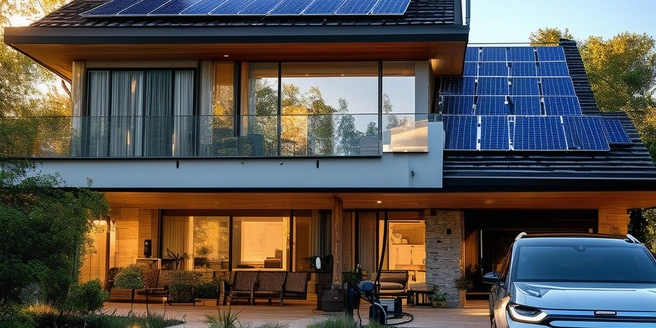
The Renewable Energy and Microgrid Integration: Installing commercial-grade rooftop solar arrays coupled with high-capacity battery storage systems to offset peak tariff charges and provide backup power during grid failures.
-
The Smart-Home Telemetry and Automation Audit: Implementing centralized IoT sensors to monitor water pressure, humidity, lighting schedules, and HVAC run times automatically. It minimizes waste from unoccupied guest wings and leaks, though initial programming errors can cause system-wide disruptions.
When evaluating financial strategies for elite properties, owners must weigh these categories against specific architectural constraints, local labor markets, and available capital.
| Category | Primary Advantage | Main Vulnerability | Best Suited For |
| Predictive Mechanical | Eliminates emergency repair spikes | High initial sensor and software setup | Estates with complex HVAC and pool systems |
| Thermal Retrofit | Permanent utility cost reduction | High upfront capital expenditure | Older custom estates with poor insulation |
| Renewable Microgrid | Offsets peak electricity tariffs | Complex regulatory and permitting hurdles | Properties in regions with high utility rates |
| Telemetry Automation | Real-time leak and waste detection | Vulnerable to software glitches and bugs | Large, multi-structure estate compounds |
| Irrigation Overhaul | Substantially lowers water consumption | Alters traditional aesthetic if not carefully planned | Estates with massive manicured grounds |
| In-House Engineering | Eliminates subcontractor markup fees | Recruitment and retention challenges | Ultra-large estates with constant maintenance needs |
Realistic Decision Logic
Selecting among these operational models requires a diagnostic evaluation of historical maintenance ledger data, building age, and utility consumption profiles. If an estate exhibits rapidly escalating utility bills and frequent emergency HVAC failures, attempting to save money by canceling routine filter changes introduces catastrophic financial vulnerability. Instead, deploying predictive telemetry sensors, auditing the building envelope, and consolidating service contracts addresses root causes while delivering sustainable long-term savings.
Detailed Real-World Scenarios
To examine how these operational frameworks function in practice, consider the following situational contexts across elite residential properties.
Mitigating Spiking HVAC Utility Costs Through Automated Zoning
-
Context: A coastal estate experiences monthly electricity bills exceeding five figures due to continuous, unmanaged operation of multiple commercial-grade HVAC heat pumps across rarely used guest wings.
-
Constraints: Complex multi-zone pneumatic ductwork, reluctance of visiting guests to manually manage wall thermostats, and strict interior humidity requirements for fine art collections.
-
Decision Path: The estate manager installs a centralized IoT building management system integrated with occupancy sensors and automated motorized dampers, establishing strict baseline temperatures for unoccupied zones while maintaining precise humidity controls for art galleries.
-
Failure Mode: Implementing unmonitored automated schedules that shut off climate control entirely, causing rapid humidity spikes that warp antique wood flooring and damage canvas artworks.
-
Second-Order Effect: Intelligent zone management cuts energy consumption by thirty percent within the first quarter, eliminates unnecessary equipment wear, and preserves delicate interior finishes without manual oversight.
Restructuring Landscaping Maintenance to Eliminate Water Waste
-
Context: An expansive desert-region property faces exorbitant municipal water surcharges due to traditional overhead spray irrigation running on rigid, unadjusted timer schedules.
-
Constraints: Strict homeowners association aesthetic guidelines requiring lush green turf near the main residence, high municipal water penalty tiers, and rocky native soil conditions.
-
Decision Path: The property team transitions ornamental beds to smart soil-moisture sensor drip irrigation, restricts turf zones to immediate outdoor living spaces, and introduces drought-tolerant architectural landscaping along perimeter boundaries.
-
Failure Mode: Replacing all turf indiscriminately with gravel without consulting the homeowners association or installing proper weed barriers, resulting in severe aesthetic fines and skyrocketing manual weeding labor costs.
-
Second-Order Effect: Targeted water reduction lowers monthly utility expenditures dramatically while cutting fertilizer and pesticide input requirements across the wider grounds.
Transitioning from External Subcontractor Bloat to a Resident Engineer
-
Context: A historic country estate constantly bleeds capital through inflated hourly call-out fees charged by urban plumbing and electrical contractors for minor preventative tasks like bleeding lines or resetting breakers.
-
Constraints: Remote geographical location of the estate increasing travel time surcharges for outside vendors, complex proprietary antique fixtures, and strict union or insurance parameters.
-
Decision Path: The owner authorizes the creation of a full-time resident estate manager position for a multi-skilled technician certified in electrical troubleshooting and basic plumbing, supported by remote specialist consultants for major overhauls.
-
Failure Mode: Hiring a general handyman without proper licensing or commercial certifications, resulting in improper electrical modifications that void insurance policies and trigger severe safety hazards.
-
Second-Order Effect: Having an on-site professional dramatically cuts response times for minor issues, slashes external contractor billing volume, and ensures continuous monitoring of all mechanical plant operations.
Implementing Preventive Maintenance Software to Avoid Chiller Burnout
-
Context: A mountainside compound suffers a catastrophic failure of its primary climate chiller during a holiday weekend, resulting in emergency rush shipping fees for replacement parts and exorbitant emergency labor rates.
-
Constraints: Isolated mountain access delaying parts delivery, extreme ambient temperature swings stressing mechanical equipment, and high-stakes guest occupancy.
-
Decision Path: The estate adopts computerized maintenance management software (CMMS) that logs run hours, automatically schedules bi-annual refrigerant checks, and tracks filter replacements, shifting the maintenance paradigm from reactive to predictive.
-
Failure Mode: Entering inaccurate baseline equipment data into the software platform, leading to missed service windows and a false sense of security regarding system health.
-
Second-Order Effect: Systematic scheduling prevents unexpected equipment failure, extends the operational lifespan of expensive mechanical assets by years, and flattens out annual maintenance expenditure curves.
Planning, Cost, and Resource Dynamics
Executing a comprehensive plan on how to manage luxury estate operational costs involves navigating complex financial and logistical variables. Direct costs extend far beyond initial contractor invoices, encompassing software licensing, telemetry sensor hardware, energy audit fees, and preventative parts stocking. Indirect costs include the opportunity cost of interrupting daily estate usage during major retrofits and the administrative friction of retraining household staff on new operational protocols.
Opportunity costs are particularly high when evaluating capital improvement investments. Opting for low-cost, superficial cosmetic repairs while ignoring aging underground cast-iron plumbing lines or deteriorating roof flashings routinely results in catastrophic water damage and structural rot during major storms, dwarfing any initial financial savings.
| Expense Category | Typical Financial Impact | Primary Cost Drivers |
| Predictive Telemetry & Software | 5% – 10% of optimization budget | Sensor hardware acquisition, software subscription fees |
| Building Envelope & Thermal Upgrades | 35% – 50% of optimization budget | Custom glass replacement, insulation materials, labor |
| Mechanical Plant Retrofits | 25% – 35% of optimization budget | High-efficiency chiller swaps, variable-speed pump installs |
| Staffing & Operational Restructuring | 15% – 25% of optimization budget | Resident engineer salary, specialized technician retainers |
Tools, Strategies, and Support Systems
Relying on paper ledgers, memory, and informal contractor handshakes is insufficient for managing modern luxury estates. Achieving genuine financial efficiency and operational control demands structured technical architecture and digital support systems.
-
Computerized Maintenance Management Software (CMMS): Cloud-based asset tracking platforms organizing service intervals, warranty expirations, and contractor work orders across the property portfolio.
-
IoT Water Leak and Flow Monitoring Sensors: Real-time pipe telemetry systems that automatically shut off main water valves upon detecting abnormal continuous flow or freezing temperatures.
-
Thermal Imaging Infrared Cameras: Diagnostic inspection tools used by estate engineers to identify electrical hot spots, failing insulation, and hidden moisture intrusion before visible damage occurs.
-
Automated Smart-Irrigation Weather Stations: Centralized controllers adjusting watering cycles dynamically based on live local rainfall data, wind speed, and soil moisture levels.
-
Commercial-Grade Power Quality Analyzers: Diagnostic units monitoring electrical harmonics and voltage spikes to protect sensitive luxury lighting and AV automation systems from premature failure.
-
Encrypted Master Contractor Portals: Digital vendor management systems streamlining insurance verification, license renewals, and competitive bidding for specialized estate work.
-
Autonomous Robotic Pool and Ground Cleaners: Advanced robotic maintenance units reducing manual labor hours required to keep expansive water features and stone courtyards pristine.
Risk Landscape and Failure Modes
Attempting aggressive cost reduction on high-end properties without a structured engineering foundation exposes owners to severe financial, structural, and legal vulnerabilities. The primary failure modes include:
-
Catastrophic Water Intrusion and Mold Growth: Deferring roof and window flashing maintenance to save short-term capital, leading to hidden moisture accumulation, structural rot, and massive remediation expenses.
-
Insurance Policy Nullification: Utilizing unverified, unlicensed handymen for complex electrical or plumbing modifications, causing property insurers to deny claims following fire or water damage incidents.
-
Premature Mechanical Asset Failure: Neglecting routine filter changes, belt replacements, and fluid analysis on high-end HVAC and pool equipment, triggering premature compressor burnout and expensive emergency replacements.
-
Aesthetic Degradation of Bespoke Finishes: Employing harsh, incorrect chemical cleaning agents on imported marble, bronze, or exotic wood surfaces to cut cleaning supply costs, resulting in irreversible material damage.
-
Smart-System Vulnerability and Hacking: Integrating low-grade consumer IoT devices to save money on commercial automation, creating cybersecurity vulnerabilities that compromise estate security and privacy.
-
Operational Paralysis During Staff Turnover: Relying entirely on a single external property manager without digital documentation, leading to complete operational chaos when management changes occur.
Governance, Maintenance, and Long-Term Adaptation
Maintaining long-term fiscal efficiency across an elite residential property requires continuous institutional governance rather than passive ownership. Property owners, estate managers, and specialized engineering consultants must establish structured review cycles to audit utility consumption, evaluate contractor performance, and adapt to shifting environmental regulations and market labor rates.
Adjustment triggers should include utility rate hikes by regional power authorities, extreme weather frequency increases, changes in property insurance underwriting requirements, and modifications to family occupancy patterns. Maintaining an updated master operational manual ensures that the estate remains efficient, structurally sound, and financially predictable over multi-year horizons.
Layered Governance Checklist
-
Monthly audit of utility bills, water meter logs, and automated leak-detection system alerts.
-
Quarterly inspection of mechanical plant run hours, HVAC filter logs, and fire suppression readiness.
-
Bi-annual review of contractor insurance certificates, licensing renewals, and master service agreements.
-
Continuous monitoring of regional weather advisories, seismic alerts, and local municipal zoning updates.
-
Annual review of the capital expenditure reserve fund relative to aging building component lifespans.
Measurement, Tracking, and Evaluation
Evaluating the financial success and operational sustainability of elite estate management requires balancing quantitative cost metrics with qualitative asset preservation indicators.
Quantitative Signals
-
Baseline utility consumption tracking kilowatt-hours and gallons consumed per square foot against seasonal historical averages.
-
Maintenance expenditure ratios measuring total annual upkeep costs relative to replacement asset value.
-
Emergency repair frequency tracking the reduction or total elimination of high-cost urgent call-out fees.
-
Vendor billing variance measuring projected contract estimates against actual invoiced amounts over rolling twelve-month periods.
Qualitative Signals
-
Architectural finish integrity assessments evaluating the sustained condition of custom stonework, wood, and metal fixtures.
-
Staff and resident satisfaction surveys regarding home comfort, system reliability, and environmental consistency.
-
Regulatory compliance ratings assessed via insurance audits and local building code inspections.
Documentation Examples
-
Estate Asset Lifecycle Ledger: Comprehensive technical register detailing installation dates, warranty terms, and projected replacement costs for every major mechanical component.
-
Preventive Maintenance Master Schedule: Calendar-driven operational log outlining daily, weekly, monthly, and annual servicing requirements across all estate zones.
-
Vendor Performance and Cost Audit Report: Transparent financial statement tracking contractor billing histories, response times, and quality ratings.
-
Energy and Resource Consumption Dashboard: Centralized digital log tracking real-time electricity, water, and gas usage trends across automated monitoring nodes.
Common Misconceptions and Oversimplifications
-
Myth: Managing estate operational costs simply means firing expensive specialized contractors and hiring cheaper general labor.
Correction: Unskilled labor handling complex custom architecture invariably results in costly mistakes, voided warranties, and severe structural damage. -
Myth: Routine preventive maintenance represents an unnecessary operating expense that can be skipped during tight budget years.
Correction: Deferring routine maintenance accelerates component wear, turning inexpensive preventative service intervals into five-figure emergency overhauls. -
Myth: Modern smart-home automation systems always reduce energy consumption without human intervention.
Correction: Improperly programmed or redundant automation routines can actually increase baseline power draws and phantom electrical loads. -
Myth: Luxury estate materials like imported marble and exotic hardwoods require no specialized maintenance protocols.
Correction: Using incorrect cleaning products or ignoring specialized sealing schedules destroys bespoke finishes, leading to astronomical restoration costs. -
Myth: Weatherizing a luxury estate is only relevant for properties located in extreme northern winter climates.
Correction: Coastal salt air, desert heat loads, and high humidity require specialized building envelope defenses to prevent rapid material degradation. -
Myth: Maintaining detailed digital property records and maintenance logs is unnecessary for private residential compounds.
Correction: Without comprehensive records, institutional knowledge is lost during staff transitions, leading to repeated service errors and inflated vendor fees. -
Myth: Energy efficiency retrofits in historic or custom estates always disrupt the architectural integrity of the design.
Correction: Modern building science offers discreet, non-invasive insulation, glazing, and HVAC integration methods that preserve original aesthetics completely.
Ethical, Practical, and Contextual Considerations
The implementation of aggressive cost-control programs across luxury residential properties carries significant ethical responsibilities toward local ecosystems, municipal resource limits, and resident safety standards. Property owners must respect the environmental carrying capacity of their surrounding landscapes, ensuring that excessive water extraction, chemical runoff, or high energy consumption does not strain local municipal grids or damage fragile local watersheds.
Practically, estate stewards must account for the labor rights and fair compensation of household staff and specialized technicians. Attempting to squeeze maintenance budgets by exploiting vulnerable labor pools or pressuring vendors into unsustainable pricing models ultimately compromises work quality and introduces severe liability risks. Consequently, achieving genuine, ethical financial optimization relies on transparency, respect for craftsmanship, and rigorous engineering precision.
Conclusion
Sustaining financial efficiency in elite residential compounds requires viewing property stewardship as an intricate exercise in facilities management, building science, and predictive analytics. Balancing rigorous cost controls with uncompromising material preservation ensures that luxury assets retain their architectural integrity and market valuation across generations. The long-term economic stability of any high-end estate depends entirely on moving away from reactive firefighting, embracing proactive technological telemetry, honoring skilled craftsmanship, and maintaining disciplined, data-driven operational frameworks.