Top Luxury Coastal Estates in America: The Definitive Reference Guide
The architecture of elite maritime wealth in North America occupies a unique intersection of high-performance civil engineering, scarce geographic positioning, and generational capital preservation. Holdings situated along the country’s extensive ocean and bay boundaries transcend traditional residential real estate classifications. These properties function as private coastal citadels, ecological buffer zones, and highly regulated maritime compounds. Ranging from the rocky headlands of New England to the barrier islands of the Southeast and the dramatic cliff sides of the Pacific Rim, properties at the apex of the marine environment command valuations rooted in permanent physical scarcity.
Analyzing this asset class requires moving far beyond standard residential appraisal metrics such as gross interior square footage or cosmetic interior styling. Conventional suburban valuation models fail when applied to coastal holdings that incorporate complex marine bulkheads, private deep-water dockage, littoral rights, and specialized coastal-storm mitigation infrastructure. The underlying value of a premier maritime estate is tethered directly to its geomorphic stability, tidal access, riparian privileges, and institutional zoning protections that insulate the property from future development creep.
This reference study investigates the physical, operational, financial, and legal frameworks governing high-end marine enclaves across the country. By stripping away commercial marketing tropes, this analysis explores the mechanics of coastal site selection, marine geotechnical engineering, environmental permitting, and long-term asset preservation required to evaluate properties at the absolute apex of the built environment.
Understanding “top luxury coastal estates in America.”
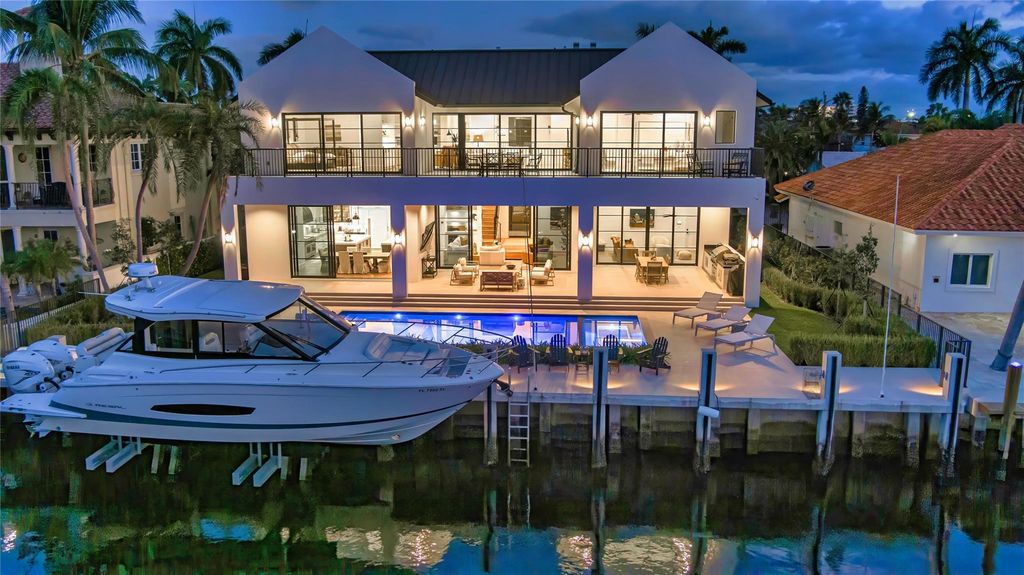
Approaching the market for top luxury coastal estates in America through standard housing metrics introduces fundamental analytical errors. Traditional comparable-sales methodologies break down when evaluating parcels burdened by complex riparian rights, multi-tier coastal commission regulations, and severe maritime weathering profiles. Value in this tier is dictated by littoral positioning, wave-energy dissipation characteristics, wind-load structural ratings, and secure deep-water draft access capable of accommodating large private vessels.
A prevalent misinterpretation involves treating coastal structural enhancements as standard residential renovations. A dwelling exposed to salt-laden marine air, high-velocity storm surges, and shifting sand or rock substrates requires specialized metallurgical fasteners, marine-grade concrete formulations, and continuous envelope maintenance that do not apply inland. Furthermore, buyers frequently underestimate the regulatory friction imposed by state and federal coastal commissions, which strictly limit seawall reconstruction, dock expansions, and dune modification.
Navigating this asset class demands a shift toward forensic facility analysis. The true cost of ownership includes compliance with local coastal management plans, specialized marine contractor labor pools, and perpetual erosion mitigation. Recognizing these underlying realities prevents capital misallocation and preserves the long-term structural integrity of these high-exposure holdings.
Deep Contextual Background: The Evolution of American Wealth Architecture
The physical manifestation of elite coastal domestic architecture in North America reflects successive shifts in transportation networks, industrial wealth creation, and summer migration patterns. During the nineteenth and early twentieth centuries, major coastal enclaves along the Northeast seaboard—such as Newport, the Hamptons, and Mount Desert Island—were established as grand seasonal compounds accessible primarily by rail or steamship. These early estates utilized heavy masonry, native stone, and expansive timber framing, prioritizing monumental ocean views and social isolation.
The latter half of the twentieth century witnessed the nationwide expansion of coastal luxury, driven by interstate highway development, commercial aviation, and the rise of Sun Belt economic centers. Enclaves across South Florida, coastal Southern California, and the Hawaiian Islands transformed from quiet fishing villages and agricultural tracts into international capitals of wealth. This shift altered architectural requirements, moving away from closed-plan historic masonry toward sprawling indoor-outdoor modernism, floor-to-ceiling hurricane-rated glass walls, and integrated private yacht mooring facilities.
In the contemporary era, the definition of premier maritime real estate has evolved further, driven by high-net-worth migration to tax-favorable coastal states, the permanence of mobile executive leadership, and heightened demands for absolute structural resilience against climate variability. Today’s apex holdings incorporate advanced subterranean storm shutters, independent microgrid power systems, and bio-engineered living shoreline protections that blend seamlessly into fragile marine ecosystems. Within this evolutionary trajectory, selection criteria have shifted from simple beach proximity to comprehensive environmental autonomy and generational asset security.
Conceptual Frameworks and Mental Models for Asset Evaluation
Evaluating properties designed for elite maritime use requires dedicated mental models that account for hydrodynamic extremes, environmental regulations, and spatial isolation.
1. The Hydrodynamic Exposure and Wave-Energy Index
This framework weighs the geographic orientation of a coastal parcel—specifically its exposure to open-ocean fetch and storm surge vectors—against structural engineering resilience. Properties situated on high-energy open-ocean coasts face severe hydraulic pounding and salt-spray degradation, requiring massive structural mass and deep pile foundations, whereas protected bay-front estates sacrifice big-water views for calmer hydrodynamic stability.
2. The Riparian and Littoral Rights Sovereignty Model
Unlike standard inland parcels, coastal estates derive substantial economic value from legal water rights. This model measures the security and scope of state-granted dock permits, submerged land leases, and unrestricted tidal access. A property with grandfathered deep-water dockage in a jurisdiction with a moratorium on new dock permits holds immense scarcity value.
3. The Coastal Regulatory Friction Coefficient
This model evaluates the operational drag imposed by multi-layered government oversight, including state coastal commissions, the Army Corps of Engineers, and local environmental boards. High regulatory friction limits an owner’s ability to modify bulkheads, add living space, or perform emergency erosion control without protracted legal battles.
Key Categories, Variations, and Comparative Trade-Offs
The landscape of premier maritime real estate divides into distinct geographic and operational typologies, each carrying unique legal and environmental profiles.
-
South Florida Barrier Island Compounds: Concentrated heavily along Palm Beach, Jupiter Island, and Miami Beach. Characterized by deep-water Intracoastal or ocean access, year-round warm climates, high municipal land values, and strict architectural oversight.
-
Southern California Coastal Bluffs: Dominating Malibu, La Jolla, and Newport Coast. Emphasize dramatic cliffside vertical relief, panoramic Pacific Ocean views, modernist architectural masterpieces, and complex geological stabilization challenges.
-
Northeast Historic Maritime Enclaves: Anchoring the Hamptons, Martha’s Vineyard, Nantucket, and coastal Connecticut. Highlighted by weathered-shingle traditional architecture, deep-rooted historical pedigree, strict local zoning, and seasonal occupancy patterns.
-
Pacific Northwest Rocky Promontories: Located across the San Juan Islands and coastal Washington/Oregon. Characterized by temperate rainforest maritime ecosystems, private island seclusion, and rugged granite shorelines.
-
Lowcountry and Sea Island Sanctuaries: Found across coastal South Carolina and Georgia. Defined by tidal marsh vistas, extensive acreage footprints, maritime forest canopies, and strict historical preservation easements.
-
Hawaiian Oceanfront Estates: Distributed across Maui, Oahu, and Kauai. Distinguished by volcanic black-rock shorelines, pristine coral reef ecosystems, tropical trade-wind microclimates, and resort-level infrastructure.
Comparative Typology Matrix
| Asset Category | Coastal Topography | Hydrodynamic Exposure | Climate Vulnerability | Capital Intensity |
| South Florida Barriers | Flat Sand & Mangrove | Moderate-High (Tidal/Surge) | High (Hurricanes/Flooding) | Extreme |
| SoCal Coastal Bluffs | Vertical Rock Cliffs | High (Wave Action/Bluff Creep) | Moderate-High (Landslide/Erosion) | Extreme |
| Northeast Enclaves | Sandy Spits & Rocky Points | High (Nor’easters/Surge) | High (Winter Storms/Erosion) | Extreme |
| Pacific Northwest Rocks | Granite Archipelagos | Moderate (Wind/Tidal Currents) | Moderate (Rainfall/Slides) | High |
| Lowcountry Sanctuaries | Tidal Marshes & Creeks | Low-Moderate (Inundation) | High (Storm Surge) | High |
| Hawaiian Oceanfronts | Volcanic Shelves & Beaches | High (Open Ocean Swells) | High (Tsunamis/Hurricanes) | Extreme |
Realistic Decision Logic
Selecting an appropriate category requires matching the owner’s operational goals and climate tolerances with regional geographic realities. An owner prioritizing deep-water yacht infrastructure and immediate social networking must focus on South Florida or Northeast barrier enclaves, accepting high property valuations and dense coastal traffic. Conversely, an individual seeking absolute privacy, dramatic topographical isolation, and rugged maritime vistas must prioritize Pacific Northwest or Southern California bluff holdings, accepting intensive geotechnical maintenance obligations.
Detailed Real-World Scenarios and Acquisition Dynamics
Acquiring properties within this specialized tier involves navigating complex maritime codes, submerged land leases, and multi-jurisdictional environmental reviews.
The Palm Beach Intracoastal Compound Expansion
-
Constraints: Strict municipal historic preservation rules, Department of Environmental Protection bulkhead lines, and neighbor setback ordinances.
-
Decision Points: Determining whether to reinforce an existing concrete seawall with new steel tie-backs or construct a sloping rip-rap revetment designed to dissipate wave energy more naturally.
-
Failure Modes: Subsurface soil washout behind the seawall caused by tidal cycling, leading to catastrophic apron and driveway collapse.
-
Second-Order Effects: Prolonged permitting delays from environmental agencies push marine construction windows outside the allowable manatee-protection work calendar, delaying project completion by a full year.
The Malibu Bluff-Side Geotechnical Stabilization
-
Constraints: California Coastal Commission strict development restrictions, active landslide moratorium zones, and mandatory wildfire defensible space rules.
-
Decision Points: Installing massive cast-in-drilled-hole (CIDH) concrete caissons anchored deep into stable bedrock to support an expanding cantilevered architectural footprint.
-
Failure Modes: Unanticipated subsurface water pressure accumulation behind bluff-face drainage systems triggering localized mud or rock slides during atmospheric river events.
-
Second-Order Effects: Surging liability insurance premiums and mandatory geologic monitoring requirements increase ongoing operational outlays.
The Nantucket Historic District Waterfront Re-engineering
-
Constraints: Local historic district commission oversight governing exterior materials, strict septic nitrogen-loading caps, and severe winter storm exposure.
-
Decision Points: Raising a historic primary structure onto reinforced timber pilings while preserving the exterior shingle facade to comply with strict aesthetic preservation codes.
-
Failure Modes: Salt-air corrosion seizing mechanical lifting equipment and degrading historic copper flashing details prematurely.
-
Second-Order Effects: Short construction windows tied to the seasonal ferry schedules and labor scarcity drive up specialized contractor mobilization costs.
The Lowcountry Sea Island Tidal Redevelopment
-
Constraints: Extensive wetlands regulations, critical line buffer zone setbacks, and restricted access across private causeways.
-
Decision Points: Constructing an elevated private boardwalk and floating dock system designed to rise and fall seamlessly with ten-foot tidal swings without disturbing sensitive marsh grasses.
-
Failure Modes: Marine worm (teredo) infestation compromising untreated structural timber pilings supporting the long-span marsh walkway.
-
Second-Order Effects: Intensified scrutiny from state wildlife agencies regarding exterior night lighting impacts on nesting sea turtles, requiring specialized amber-spectrum illumination.
Planning, Cost, and Resource Dynamics
The economic framework of holding top-tier maritime real estate is defined by steep fixed operational expenditures, specialized insurance liabilities, and continuous capital maintenance cycles.
Financial Breakdown Framework
-
Property & Municipal Taxes: Range from $40,000 to $1,000,000+ annually, driven by assessed waterfront valuations, municipal bond measures, and local infrastructure assessments.
-
Specialized Marine Insurance: Range from $30,000 to $400,000+ annually, heavily dictated by windstorm deductibles, flood insurance requirements, and high replacement-cost valuations.
-
Estate & Shoreline Management: Range from $120,000 to $800,000+ annually, covering full-time estate directors, dock maintenance crews, beach nourishment projects, and erosion monitoring.
-
Utility & Autonomous Systems: Range from $15,000 to $90,000+ annually, encompassing backup marine generators, commercial-grade dehumidification systems, and desalination or well-filtration upkeep.
-
Marine Infrastructure Upkeep: Ranges from $20,000 to $150,000+ annually, dedicated to periodic seawall inspection, dock timber replacement, and electronic storm-shutter servicing.
Opportunity costs in this asset class are acute. Capital deployed into maritime real estate incurs substantial opportunity costs relative to diversified liquid portfolios, particularly given that specialized coastal properties often feature longer average days-on-market during broader economic corrections.
Tools, Strategies, and Support Systems
Managing premier coastal estates requires assembling a multidisciplinary professional advisory ecosystem far beyond standard residential management.
-
Coastal and Marine Structural Engineers: Specialists experienced in wave-action hydrodynamics, storm surge mitigation, and deep-foundation pile design.
-
Geotechnical and Erosion Control Consultants: Experts who evaluate bluff stability, long-term littoral drift, dune restoration, and bulkhead integrity.
-
Maritime Environmental and Permitting Counsel: Attorneys and specialists navigating state coastal commissions, Army Corps of Engineers permits, and submerged land leases.
-
Specialized Marine Insurance Brokers: Underwriters capable of structuring complex windstorm, surplus-lines flood, and high-value builder’s risk policies.
-
Private Security and Telemetry Integrators: Technicians overseeing encrypted satellite communications, automated marine-grade storm shutters, and thermal intrusion systems.
-
Specialized Estate Management Directors: Operational managers overseeing vendor access, emergency hurricane evacuation plans, and continuous salt-mitigation protocols.
-
Marine Contractors and Dock Builders: Artisans expert in marine-grade concrete, stainless steel metallurgical fasteners, and specialized pile driving.
Limits of Support Systems: The labor pool for certified marine contractors and coastal engineers is severely constrained, especially following regional storm events when emergency remediation demand spikes across entire coastlines.
Risk Landscape, Vulnerabilities, and Failure Modes
The risk profile of elite maritime real estate is heavily shaped by severe meteorological hazards, rising sea levels, and aggressive chemical degradation.
-
Catastrophic Hurricane and Nor’easter Surge: High-velocity storm surges combined with wave action can undermine foundations, flood lower living levels, and destroy private docks and seawalls.
-
Relentless Salt-Air Electrochemical Degradation: Airborne salinity accelerates the corrosion of structural steel, electrical wiring, window hardware, and HVAC components, requiring continuous preventative replacement.
-
Rapid Coastal Erosion and Littoral Drift: Shifting ocean currents and rising sea levels can rapidly strip sand from beaches or erode the toe of coastal bluffs, threatening primary structural footprints.
-
Subsurface Saltwater Intrusion: Rising water tables can contaminate coastal freshwater aquifers and corrode underground utility lines and septic infrastructure.
-
Regulatory Strangling and Rebuilding Bans: Stricter post-storm zoning rules and “managed retreat” policies can legally prohibit owners from rebuilding damaged structures or repairing compromised seawalls.
Governance, Maintenance, and Long-Term Adaptation
Preserving maritime estates across generations requires a rigid operational calendar mirroring commercial marine facility management practices.
Review Cycles and Adjustment Triggers
-
Weekly: Inspection of automatic bilge pumps, marine-grade backup generator fuel levels, saltwater filtration systems, and electronic storm-shutter mechanisms.
-
Monthly: Comprehensive washdown of exterior architectural glass and metal framing to remove salt crystallization; inspection of seawall tie-backs and dock decking integrity.
-
Annually: Professional geotechnical review of coastal bluffs or bulkhead aprons; servicing of marine davits, boat lifts, and dock electrical shore power; flood insurance policy and elevation certificate audit.
-
Quinquennially: Comprehensive structural envelope and pile-integrity sonar imaging audit to detect hidden corrosion or subsurface erosion caused by tidal scour.
Measurement, Tracking, and Evaluation Frameworks
Assessing the ongoing performance and structural health of a maritime holding requires balancing physical telemetry with environmental indicators.
-
Leading Indicators: Local tidal gauge trend reports, annual beach nourishment volume surveys, municipal stormwater infrastructure upgrade schedules, and minor shifts in local water table salinity.
-
Lagging Indicators: Escalating coastal property insurance premium spikes, visible spalling in marine-grade concrete elements, increased frequency of backup generator runtime alerts, and local contractor rate inflation.
-
Documentation Standards: Maintaining an immutable digital “Maritime Asset Ledger”—a secure cloud repository containing structural engineering load calculations, coastal commission permits, bulkhead inspection logs, elevation certificates, and comprehensive vendor service histories.
Common Misconceptions and Oversimplifications
-
Myth 1: Any waterfront parcel can support the construction of a private deep-water dock.
Correction: Shallow bathymetry, protected seagrass beds, strict environmental moratoriums, and narrow channel widths frequently prevent dock permits entirely. -
Myth 2: Standard residential construction materials withstand coastal environments if painted regularly.
Correction: Marine environments require specialized stainless steel alloys, marine-grade aluminum, and epoxy-coated rebar to prevent rapid structural failure. -
Myth 3: Seawalls provide permanent protection against coastal erosion.
Correction: Seawalls reflect wave energy, often accelerating scour at their base and causing the gradual loss of adjacent beaches if not paired with revetments. -
Myth 4: Flood insurance is universally available and affordable for high-value coastal homes.
Correction: Private surplus-lines flood insurance for ultra-luxury coastal estates can exceed tens of thousands of dollars annually, with strict coverage caps. -
Myth 5: Buying land higher up on a coastal cliff eliminates all maritime risk.
Correction: High bluffs face severe risks from wind shear, slope creep, subsurface saturation, and catastrophic landslide failures. -
Myth 6: Coastal property values move in lockstep with the broader national housing market.
Correction: Ultra-luxury maritime real estate is heavily influenced by global liquidity pools, tax migration shifts, and insurance market crises, decoupling it from median housing trends.
Ethical, Practical, and Contextual Considerations
The concentration of immense private wealth along the nation’s shorelines intersects directly with fragile marine ecology, public access rights, and public disaster-relief economics. Coastal developments alter natural littoral drift, impact critical fish and avian habitats, and often necessitate publicly funded beach nourishment or disaster recovery expenditures. Responsible custodianship within top luxury coastal estates in America requires prioritizing living shoreline engineering, dune restoration, dark-sky lighting to protect marine wildlife, and active compliance with local environmental stewardship mandates, ensuring that private coastal compounds harmonize with the public maritime heritage that surrounds them.
Conclusion
The acquisition, engineering, and stewardship of premier maritime properties demand an uncompromising commitment to structural rigor, environmental science, and long-term operational planning. These holdings transcend traditional real estate categories, functioning as complex, resilient ecosystems that withstand severe oceanic forces while protecting generational capital. By mastering the intricate interplay between marine geotechnical engineering, strict regulatory frameworks, and advanced asset maintenance, owners can preserve these exceptional coastal holdings, ensuring their structural integrity, privacy, and enduring value across generations.