Luxury Vineyard Estate Destinations USA: The Definitive Guide
The intersection of intense agricultural science, bespoke architectural engineering, and elite leisure has reshaped the upper tier of American real estate and hospitality. Across the coastal microclimates of California, the historic rolling hills of the Mid-Atlantic, the high-altitude river valleys of the Pacific Northwest, and the emerging limestone-rich terrains of the Texas Hill Country, premier viticultural compounds function as intricate, self-sustaining socio-economic ecosystems. Rather than serving as mere domestic country retreats or simplified commercial production facilities, these multi-acre landholdings represent a sophisticated fusion of earth stewardship, advanced winemaking infrastructure, private conservation, and legacy family compound design.
Evaluating these holdings requires looking past the romanticized lens of wine tourism to analyze the structural frameworks, regulatory compliance mandates, water rights allocations, and viticultural management logistics that dictate their long-term viability. From working estates producing critically acclaimed estate-bottled vintages to hyper-exclusive residential sanctuaries centered around private rootstock, the asset class demands deep technical mastery. The preservation and economic resilience of these environments depend on balancing fine architectural craft with rigorous soil science, complex tax strategies, and sustainable resource management under shifting climatic conditions.
This analysis provides a definitive reference for understanding, evaluating, and operating high-end agrarian holdings. By unpacking the structural conditions, risk profiles, financial models, and governance frameworks that govern this tier of property, this inquiry establishes a foundational perspective on how ultra-high-net-worth capital interacts with some of the most productive and vulnerable agricultural landscapes on the North American continent.
Understanding “luxury vineyard estate destinations USA.”
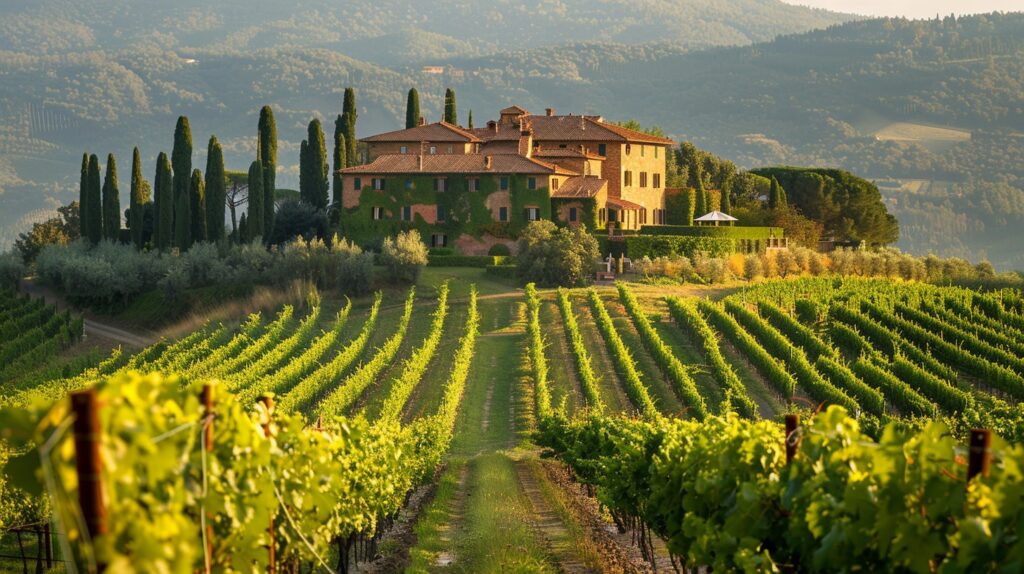
The classification of luxury vineyard estate destinations USA is frequently obscured by commercial hospitality marketing and generalized lifestyle journalism. At its core, the phrase does not describe a standard country hotel or a suburban residence with a decorative arbor, but rather represents the absolute apex of rural landownership where ultra-prime residential architecture directly integrates with an active, high-performance commercial vineyard or bonded winery. A common misinterpretation assumes that any upscale property surrounded by a few rows of grapevines qualifies as a premier holding. In professional real estate brokerage and agricultural asset management terms, an authentic luxury compound requires a verified equilibrium between architectural scale, dedicated viticultural acreage producing commercially viable fruit or wine, secure water rights, and comprehensive operational infrastructure.
Oversimplifying these properties as passive vacation retreats ignores the complex legal, environmental, and operational realities that govern agricultural production. Asset valuation is driven not solely by the square footage of the primary residence or interior finishes, but by clone selection, rootstock health, soil composition, appellation prestige, frost-protection infrastructure, and the presence of bonded winemaking facilities capable of processing estate yields. Properties that lack proper microclimate positioning, suffer from soil salinity issues, or lack compliant agricultural zoning face severe liquidity and operational constraints, regardless of the aesthetic opulence of the main living quarters.
True comprehension of this asset class requires analyzing how distinct regional terroirs dictate operational form. A holding in the Napa Valley must navigate stringent county agricultural preservation ordinances, strict water conservation districts, and high land-value basements, whereas a compound in the Willamette Valley prioritizes cool-climate clonal management, delicate canopy manipulation, and specialized drainage engineering. Evaluating these assets demands an analytical framework that weighs architectural refinement against the unyielding biological parameters of viticulture.
Deep Contextual Background
The evolution of ultra-prime viticultural landholdings in the United States reflects broader shifts in domestic agricultural ambition, industrial wealth migration, and changing luxury consumer preferences. Throughout the nineteenth and early twentieth centuries, American winemaking was largely a fragmented, immigrant-driven enterprise centered on modest family farms and basic production facilities. Residential quarters on these early ranches remained strictly utilitarian, secondary to the pressing physical demands of crushing, fermentation, and barrel aging.
A profound cultural and economic transition accelerated during the late twentieth century, particularly following watershed moments like the 1976 Judgment of Paris, which elevated American wines onto the global stage. The influx of corporate fortunes, technology capital, and generational wealth transformed wine regions into premier lifestyle destinations. Acquiring agricultural land shifted from a purely speculative or commercial farming venture into an institutionalized pursuit combining estate-level luxury architecture with world-class winemaking. Historic agricultural plots were acquired and redeveloped into expansive compounds featuring gravity-flow wineries, underground caves, subterranean tasting rooms, and state-of-the-art residences.
In contemporary markets, these assets serve dual functions as generational family legacy compounds and high-end commercial enterprises. The concentration of private capital paired with heightened interest in authentic farm-to-table living has compressed available inventory in premier American appellations like Napa, Sonoma, Paso Robles, and the Willamette Valley. Consequently, modern acquisitions frequently involve complete overhauls of legacy vineyards to incorporate precision viticulture technology, advanced water recycling systems, and seismic-resistant structural engineering, marking a definitive evolution from mid-century farmhouses to twenty-first-century agricultural showpieces.
Conceptual Frameworks and Mental Models
Evaluating, acquiring, and operating a premier viticultural holding requires robust mental models that account for variables far beyond standard residential appraisal metrics.
1. The Viticultural-Architectural Synergy Matrix
This framework quantifies the operational and aesthetic balance between the working agricultural land (the vines, trellis systems, and crush pads) and the residential/hospitality infrastructure. It evaluates whether the estate successfully isolates heavy agricultural operations and tractor traffic from private residential zones while maintaining a cohesive visual narrative.
2. The Appellation Prestige and Terroir Index
This mental model maps the intrinsic value of the soil, microclimate, and geographical indication (AVA). It analyzes slope aspect, heat summation units, diurnal temperature variation, and historical bottle scores associated with the specific micro-parcel, determining the long-term market value of the estate’s fruit yield.
3. The Water-Rights and Irrigation Security Gradient
This framework assesses the absolute lifeblood of the vineyard: water security. It evaluates the legal and physical reliability of water sources, contrasting ground wells, municipal allocations, and surface water rights against seasonal drought vulnerabilities and regulatory curtailment risks.
Key Categories and Variations of Properties
High-end viticultural holdings manifest in several distinct typologies, each imposing unique operational trade-offs, capital expenditure requirements, and lifestyle profiles.
-
Napa-Style Estate Wineries with Bonded Production: Expansive holdings featuring custom crushing facilities, underground barrel caves, tasting rooms, and monumental primary residences. Trade-off: Maximum vertical integration and brand prestige, balanced against heavy regulatory oversight, public traffic, and intense commercial operational costs.
-
Private Boutique Vineyard Compounds: Intimate residential parcels featuring 5 to 15 acres of high-end vines where the fruit is sold under contract to elite winemakers rather than processed on-site. Trade-off: Pure residential privacy and low operational friction, offset by the absence of bonded winemaking facilities and reliance on third-party management.
-
Willamette Valley Cool-Climate Sanctuaries: Properties focused on delicate Pinot Noir and Chardonnay production across rolling, high-elevation Oregon topography. Trade-off: Exceptional terroir expression and growing global demand, balanced against short harvest windows, heavy rain risks, and disease pressure management.
-
Paso Robles and Hill Country Ranch Estates: Large-acreage properties blending Rhône or Bordeaux varietal vineyards with expansive ranch infrastructure, livestock, and hunting operations. Trade-off: Vast spatial privacy and multi-use agricultural flexibility, offset by arid climate challenges and intense summer irrigation demands.
-
Historic Eastern Seaboard Farm Estates: Properties across Virginia, the Finger Lakes, or Long Island featuring historic homes paired with hybrid or vinifera varietals. Trade-off: Rich historical provenance and proximity to major eastern population centers, balanced against high humidity, fungal disease pressure, and rigorous canopy management needs.
Comparative Analysis of Property Typologies
| Typology | Primary Geographic Region | Operational Complexity | Core Infrastructure Focus | Revenue & Yield Model |
| Bonded Estate Winery | Napa / Sonoma / Napa Valley | Maximum | Crush pads, caves, tasting rooms, residence | Direct-to-consumer wine sales, hospitality |
| Private Boutique Vineyard | Sonoma Coast / Oakville | Low-Medium | Managed block irrigation, small barn | Wholesale fruit contracts to third parties |
| Cool-Climate Sanctuary | Willamette Valley / Oregon | Medium-High | Drainage tiles, bird-netting systems, lodge | Premium varietal wine production |
| Ranch-Integrated Vineyard | Paso Robles / Texas Hill Country | High | Stock fencing, massive wells, heavy barns | Multi-tier agriculture and wine sales |
| Historic Eastern Estate | Charlottesville / Finger Lakes | High | Dehumidification, spray rigs, historic home | Boutique wine sales, event hosting |
Realistic Decision Logic
When selecting a high-end viticultural asset, purchasers must weigh their desire for active brand building against their preference for pure lifestyle privacy. Buyers seeking a hands-on commercial enterprise with global brand visibility typically gravitate toward bonded winery estates in established California AVAs, accepting public tasting traffic and complex compliance obligations. Conversely, purchasers committed to quiet family recreation prefer private boutique vineyard parcels where professional farm management companies handle all agricultural labor while the owner enjoys the aesthetic and financial benefits of the harvest.
Detailed Real-World Scenarios and Operational Dynamics
To understand how these properties function under operational stress, consider four distinct field scenarios encountered by estate owners and property managers.
Late-Spring Frost Event and Crop Threat
An unseasonal freezing temperature drops below 28 degrees Fahrenheit just as bud break occurs across a high-elevation hillside vineyard in early spring.
-
Failure Mode: Young, tender green shoots freeze solid, destroying the primary fruit buds and instantly wiping out up to 80 percent of the anticipated vintage yield before the growing season truly begins.
-
Second-Order Effect: The owner experiences a catastrophic drop in commercial wine production revenue for the year, requiring immediate reliance on backup bulk fruit sourcing agreements to maintain label continuity.
Wildfire Smoke Taint Contamination
A late-summer wildfire in neighboring timberlands blankets a valley in dense smoke for weeks during the critical veraison ripening phase, when grapes soften and change color.
-
Failure Mode: Volatile phenols from the smoke penetrate the grape skins and bind to sugars within the fruit, resulting in chemical smoke taint that renders harvested wine undrinkable.
-
Second-Order Effect: Entire blocks of high-value grapes must be dropped unharvested on the ground or processed with expensive, imperfect remediation technology, triggering massive crop insurance claims and lost market share.
Regulatory Audit and TTB Compliance Violation
An estate hosting private events fails to maintain strict compliance standards mandated by the Alcohol and Tobacco Tax and Trade Bureau (TTB) and local county use permits regarding visitor counts and retail sales limits.
-
Failure Mode: Federal and local inspectors issue heavy fines and threaten suspension of the property’s bonded winery permit due to unauthorized commercial hospitality activities.
-
Second-Order Effect: Immediate cessation of all estate-hosted events, expensive legal defense retainers, and reputational damage within the ultra-exclusive collector community.
Irrigation Well Pump Failure During Heat Spike
A primary deep-water agricultural well pump seizes during a multi-week July heatwave with ambient temperatures exceeding 100 degrees Fahrenheit.
-
Failure Mode: Without immediate access to water, heat-stressed vines shut down photosynthesis and drop leaves, threatening permanent vine damage and shriveling fruit clusters on the vine.
-
Second-Order Effect: Emergency mobilization of commercial water trucks and mobile generator rigs to jury-rig temporary drip irrigation lines, averting permanent vineyard mortality at inflated emergency labor rates.
Planning, Cost, and Resource Allocation
Acquiring and maintaining an ultra-prime viticultural holding requires meticulous financial modeling that extends far beyond the initial purchase transaction. Operating expenses for vineyard estates encompass specialized agricultural labor, frost protection, pest management, and ongoing compliance administration.
Financial Dynamics and Cost Variability
| Expense Category | Annual Budget Range (USD) | Cost Drivers & Variables |
| Viticultural Management & Labor | $100,000 – $400,000+ | Vineyard manager, pruners, tractor drivers, canopy management crews |
| Equipment & Fleet Maintenance | $40,000 – $180,000+ | Narrow tractors, spray rigs, utility vehicles, harvesting machinery |
| Winemaking & Cellar Operations | $75,000 – $350,000+ | Barrel purchases, stainless steel tanks, enologist consulting fees, bottling lines |
| Regulatory, Permitting & Insurance | $50,000 – $200,000+ | TTB bonds, agricultural liability, crop insurance, water rights reporting |
Opportunity Costs and Resource Optimization
A frequent financial miscalculation involves underestimating the multi-year capital lag inherent in vineyard development. Newly planted vines require three to five years before producing commercially viable fruit of sufficient quality for an elite estate label. Structuring capital allocations requires maintaining adequate liquidity reserves to fund operations through the initial non-revenue development phase without compromising architectural or agricultural maintenance standards.
Tools, Strategies, and Support Systems
Successfully managing an expansive viticultural estate requires an integrated ecosystem of specialized physical assets, digital software platforms, and expert personnel.
-
Precision Viticulture GIS Mapping Platforms: Cloud-based software tracking canopy vigor, soil moisture sensors, and block-by-block yield predictions across the property.
-
Specialized Narrow-Track Vineyard Tractors: Low-profile, high-torque tractors capable of navigating tight vine rows without compacting root zones or damaging trellising.
-
Automated Frost Protection Systems: Wind machines, overhead sprinkler arrays, or micro-sprinkler frost-mitigation grids tied to automated temperature drop alarms.
-
Underground Cave and Climate-Control Infrastructure: Geothermally stable subterranean barrel caves paired with multi-zone humidity and temperature monitoring systems.
-
Advanced Water Telemetry and Filtration Arrays: Automated flow meters, reverse-osmosis systems, and storage cisterns ensuring clean irrigation and cellar sanitation water.
-
Retained Viticulturists and Winemaking Consultants: World-class agricultural scientists and master winemakers guiding clonal selection, harvest timing, and vinification protocols.
-
Compliance and TTB Legal Specialists: Retained legal counsel managing complex federal, state, and county alcohol production and hospitality permits.
-
High-Security Gate and Asset Monitoring Grids: Optical and thermal surveillance systems protecting high-value wine inventories, barrel stores, and residential zones.
Risk Landscape and Failure Modes
The risk profile of premier viticultural real estate combines standard high-end residential vulnerabilities with complex agricultural and commercial liabilities.
Compounding Risks in Agrarian Estates
-
The Biosecurity and Disease Cascade: Outbreaks of phylloxera, Pierce’s disease, or powdery mildew can rapidly destroy entire vineyard blocks, requiring costly vine pull-out, soil sterilization, and multi-year replanting cycles.
-
Climatic and Environmental Exposure: Frost, hail, unseasonal heat waves, and wildfire smoke represent continuous existential threats to annual crop yields and wine quality.
-
Regulatory and Permitting Vulnerabilities: Strict county zoning laws and changing water allocation limits can severely restrict commercial winemaking activities, visitor hosting, and expansion plans.
-
Market Brand Volatility: Fluctuations in luxury consumer demand, collector preferences, and global fine-wine pricing can impact the profitability of estate-bottled commercial operations.
Governance, Maintenance, and Long-Term Adaptation
Preserving the health of the vines, the integrity of the architecture, and the commercial viability of the brand requires disciplined adherence to seasonal maintenance protocols and rigorous environmental monitoring.
Monitoring and Review Cycles
Estate managers must execute structured agricultural and structural audits, evaluating trellis tension, irrigation line integrity, barrel sanitation logs, soil pH levels, and roof drainage systems before the growing season and immediately following harvest.
Layered Maintenance Checklist
-
Trellis and Irrigation Overhauls: Tensioning wire systems, replacing broken end-posts, and flushing drip emitters to ensure uniform water delivery.
-
Soil and Nutrient Management: Conducting annual leaf petiole and soil testing to apply targeted organic or mineral amendments based on vine deficiencies.
-
Frost and Wind Protection Systems: Testing wind machine engines, backup generators, and frost alarm sensors before early spring freeze warnings.
-
Cellar Sanitation and Equipment Sterilization: Deep cleaning stainless steel vats, pumps, and bottling lines to prevent bacterial spoilage during crush.
Measurement, Tracking, and Evaluation
Evaluating the operational efficiency, agricultural health, and asset performance of a vineyard estate requires tracking both quantitative parameters and qualitative brand signals.
-
Quantitative Metrics: Tons harvested per acre, Brix levels at harvest, barrel-to-bottle conversion efficiency ratios, operating cost per case produced, and net agricultural revenue margins.
-
Qualitative Signals: Critical wine score ratings, consumer demand for estate allocations, vine canopy health uniformity, and regulatory audit compliance stability.
-
Documentation Standards: Maintaining an exhaustive digital ledger recording all historical block management actions, chemical application logs, crush sheets, and water rights decrees ensures seamless continuity across ownership transitions.
Common Misconceptions and Oversimplifications
-
Myth: Owning a vineyard estate is a relaxing, low-stress retirement hobby centered around casual wine tasting.Correction: Managing a commercial vineyard and winery is an intensive agricultural and manufacturing enterprise requiring round-the-clock operational oversight and strict regulatory compliance.
-
Myth: Any scenic piece of rural land can be quickly converted into a high-end commercial vineyard.Correction: Successful viticulture depends on hyper-specific soil profiles, microclimates, slope aspects, and legal water rights that are exceedingly rare and expensive to secure.
-
Myth: Wine production is entirely passive once the vines are established and mature.Correction: Annual viticultural cycles demand continuous manual intervention, including pruning, canopy management, pest control, irrigation scheduling, and meticulous harvest timing.
-
Myth: Having a bonded winery on-site automatically allows unlimited hospitality events and public retail sales.Correction: County use permits, traffic impact studies, and local zoning laws strictly limit visitor numbers, events, and retail operations on agricultural parcels.
-
Myth: Vineyard real estate values are insulated from broader economic downturns because fine wine is a luxury asset.Correction: Luxury agricultural holdings face liquidity constraints and valuation adjustments during macroeconomic contractions, particularly if commercial wine inventories fail to sell.
-
Myth: Organic or biodynamic farming requires no chemical inputs and operates entirely on natural cycles.Correction: Sustainable and organic farming often requires more intensive manual labor, mechanical cultivation, and approved organic sprays to manage disease and pest pressures.
Ethical, Practical, and Contextual Considerations
Operating a high-end viticultural enterprise carries a profound responsibility toward local agricultural communities, watershed health, and agrarian labor forces. Responsible stewardship mandates implementing water-saving drip technologies, protecting riparian wildlife corridors along property boundaries, utilizing cover crops to prevent soil erosion, and providing fair wages, housing, and safety standards for farmworkers. Furthermore, respecting the historical agricultural heritage of regional farming communities ensures that private luxury development contributes positively to the long-term vitality of the American wine landscape.
Conclusion
The acquisition and operation of premier agricultural and residential viticultural holdings represent the ultimate synthesis of earth science, architectural excellence, and commercial enterprise. By moving past the romanticized facade of wine country lifestyle marketing and confronting the rigorous operational realities of viticultural management, water rights administration, regulatory compliance, and market dynamics, owners can establish enduring estates of exceptional beauty and productivity. Whether cultivating hillside Cabernet blocks in Napa, delicate Pinot Noir in the Willamette Valley, or boutique varietals across emerging regional terroirs, these exceptional properties demand a synthesis of intellectual rigor, financial commitment, and deep agricultural respect—balancing modern technological precision with the timeless, unforgiving rhythm of the vine.