Top Luxury Equestrian Estates in America: The Ultimate Reference Guide
The architecture of elite equine holdings in the United States transcends conventional residential real estate categories, operating instead as sophisticated agricultural enterprises, high-performance athletic training facilities, and capital preservation assets. Properties positioned at the absolute apex of the equine landscape require an intricate synthesis of specialized land use, advanced environmental engineering, bio-security architecture, and luxury domestic design. These holdings do not merely accommodate domestic life; they function as precision-calibrated environments designed to sustain world-class livestock, support demanding equestrian disciplines, and protect generational wealth across evolving economic cycles.
Evaluating this asset class requires moving far beyond standard real estate metrics such as square footage or interior finishes. The core value of an elite horse property is anchored in its underlying terroir soil composition, drainage efficiency, water rights, and micro-climate suitability, coupled with restrictive zoning moats and proximity to major competition hubs. From the high-density international circuits of South Florida and the historic hunt country of the Mid-Atlantic to the sprawling working ranches of the Mountain West and the Mediterranean-influenced enclaves of Southern California, the American equestrian landscape is deeply specialized. Each region dictates distinct operational demands, architectural vernaculars, and regulatory frameworks.
This study provides a rigorous examination of the physical, financial, operational, and structural dimensions governing the premier tier of American equine properties. By stripping away commercial marketing language, this analysis explores how elite land footprints are selected, engineered, maintained, and transitioned across decades. It serves as a definitive reference for buyers, family offices, equine directors, and asset managers navigating the upper echelons of specialized real estate.
Understanding “top luxury equestrian estates in America.”
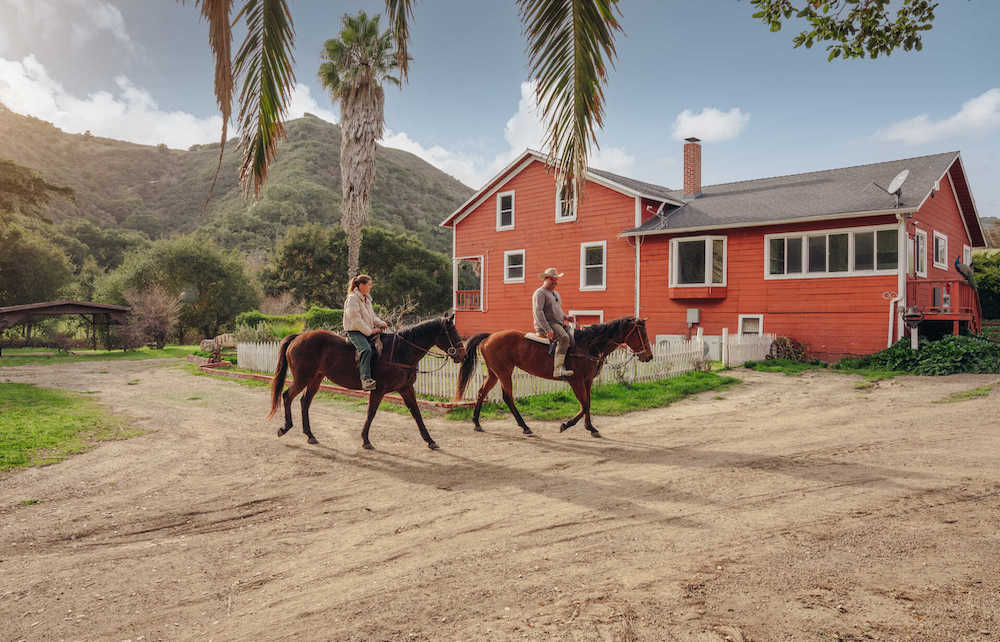
Approaching the market for top luxury equestrian estates in America through standard residential valuation formulas introduces fundamental analytical errors. Traditional comparable-sales methodologies fail when applied to holdings featuring complex agricultural infrastructure, specialized footing formulations, regulatory exemptions, and non-conforming land use rights. Value in this tier is dictated by functional utility for equine athletes, biosecurity isolation capabilities, pasture carrying capacity, and direct access to systemic bridle paths or major competition venues.
A prevalent misinterpretation involves treating equestrian improvements as standard home additions. A luxury barn, indoor arena, or automated walker does not depreciate in the manner of a residential kitchen remodel; rather, its value is tied directly to its engineering integrity, safety compliance, and adaptability to modern veterinary and training protocols. Furthermore, buyers frequently underestimate the regulatory friction imposed by local agricultural boards, water management districts, and environmental protection agencies regarding manure disposal, runoff management, and fertilizer applications.
Navigating this asset class demands a shift toward forensic facility analysis. The true cost of ownership includes compliance with local zoning ordinances, specialized artisan labor pools for arena maintenance, and perpetual environmental management. Recognizing these underlying realities prevents capital misallocation and preserves the long-term utility of these high-performance holdings.
Deep Contextual Background: The Evolution of American Wealth Architecture
The physical manifestation of elite equine property in North America reflects successive shifts in agricultural technology, sporting traditions, and wealth distribution. During the eighteenth and nineteenth centuries, major estates in Virginia, Maryland, and Kentucky were established primarily around thoroughbred breeding, agricultural self-sufficiency, and working livestock operations. These early properties utilized vernacular timber and stone construction, prioritizing expansive acreage and direct access to natural water sources over specialized indoor training infrastructure.
The twentieth century witnessed the professionalization and specialization of equestrian sports, shifting the focus from general agricultural productivity to discipline-specific training. The rise of dedicated circuits for show jumping, dressage, polo, and eventing transformed the architectural requirements of elite properties. Owners began investing heavily in professional-grade enclosed arenas, specialized synthetic and all-weather footing, climate-controlled stable blocks with specialized rubber pavers, and dedicated staff quarters to support full-time training operations.
In the contemporary era, the definition of premier equine property has evolved further, driven by globalized competition, high-net-worth migration to tax-favorable states, and heightened demands for environmental sustainability and equine wellness. Today’s apex holdings incorporate advanced equine rehabilitation tech such as hyperbaric chambers, equine spas, and automated tracking systems alongside zero-carbon footprint residential architecture. Within this evolutionary trajectory, selection criteria have transitioned from traditional agrarian utility to hyper-specialized athletic and lifestyle integration.
Conceptual Frameworks and Mental Models for Asset Evaluation
Evaluating properties designed for elite equine use requires dedicated mental models that account for specialized depreciation, environmental constraints, and operational intensity.
1. The Terroir-to-Infrastructure Equilibrium
This model weighs the natural biological capacity of the land soil drainage, forage quality, and climate against built infrastructure. High-capital improvements cannot salvage a property compromised by poor soil compaction, high water tables, or toxic weed proliferation. The optimal equilibrium matches a sustainable natural carrying capacity with precise, modular structural additions.
2. The Biosecurity and Isolation Index
Unlike standard residential estates, equine holdings face severe biological risks. This framework measures a property’s capability to enforce strict quarantine protocols, isolate incoming stock, manage vector-borne disease transmission via separate drainage basins, and maintain clean separation between public visitor traffic and sensitive equine housing zones.
3. The Operational Friction Coefficient
This model evaluates the daily labor and logistical overhead required to run the property. Factors include proximity to specialized veterinary hospitals, feed suppliers, farrier networks, and major show grounds. A high friction coefficient dramatically escalates baseline operating costs and limits the property’s utility as an active competition base.
Key Categories, Variations, and Comparative Trade-Offs
The landscape of premier horse properties divides into distinct operational and geographic typologies, each carrying unique legal and financial profiles.
-
Seasonal Competition Compounds: Concentrated heavily in Wellington, Florida, and select pockets of Southern California and Tryon. Characterized by high land scarcity, proximity to international show grounds, elite turnout paddocks, and sophisticated guest housing.
-
Historic Hunt Country Estates: Found across Northern Virginia, Maryland, and the Bluegrass region of Kentucky. Defined by vast acreage, rolling bluegrass pastures, dry-stone walls, timber fencing, and deep-rooted breeding and foxhunting traditions.
-
Western Working and Performance Ranches: Dominating Montana, Wyoming, Colorado, and Texas. Emphasize massive land footprints, cattle operations, cutting and reining facilities, water rights management, and extreme weather resilience.
-
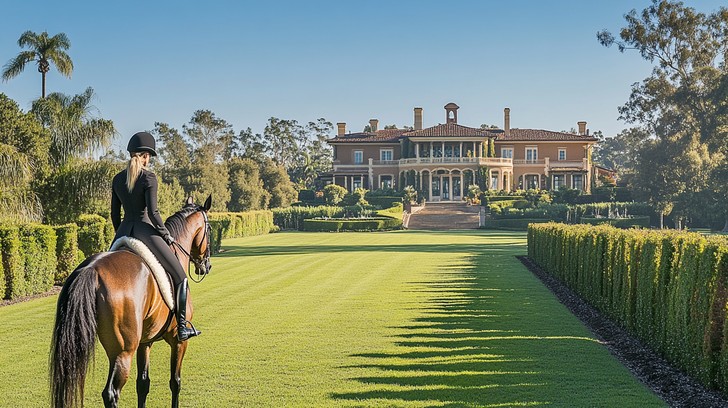
Mediterranean Equestrian Sanctuaries: Anchoring upscale enclaves in Rancho Santa Fe, Scottsdale, and Santa Barbara. Characterized by mild climates, Spanish-revival architecture, outdoor arenas, and strict municipal zoning for livestock.
-
Pacific Northwest Rainforest Holdings: Located in Washington and Oregon. Highlighted by year-round green pastures, extensive covered and indoor arenas to combat seasonal rainfall, and rich trail networks.
-
Boutique Dressage and Breeding Studs: Distributed across the Northeast and Midwest. Distinguished by meticulous European-style stable blocks, automated breeding labs, isolation barns, and rolling paddocks.
Comparative Typology Matrix
| Asset Category | Operational Focus | Acreage Footprint | Climate Vulnerability | Capital Intensity |
| Seasonal Competition | Show Jumping/Polo | Moderate (5-20 Acres) | Moderate (Hurricanes/Humidity) | Extreme |
| Historic Hunt Country | Breeding/Field Sports | Extensive (100-500+ Acres) | Moderate (Seasonal Freezing) | High-Extreme |
| Western Working Ranches | Cattle/Reining/Cutting | Massive (1,000+ Acres) | High (Wildfire/Drought) | Extreme |
| Mediterranean Sanctuaries | General Riding/Training | Moderate-High (10-50 Acres) | Moderate (Wildfire/Water Limits) | High |
| Pacific Northwest Holdings | Trail/All-Weather Training | High (20-100 Acres) | Moderate-High (Heavy Rainfall) | Moderate-High |
| Boutique Breeding Studs | Bloodstock/Dressage | Moderate (30-100 Acres) | Moderate | High |
Realistic Decision Logic
Selecting an appropriate category requires matching the owner’s primary equestrian discipline and lifestyle goals with regional operational realities. A competitor participating in the winter show circuit requires proximity to major show infrastructure, making high-density seasonal enclaves optimal. Conversely, a breeder requiring extensive acreage for forage production and isolation must prioritize expansive agricultural regions over urban proximity.
Detailed Real-World Scenarios and Acquisition Dynamics
Acquiring properties within this specialized tier involves navigating complex zoning laws, environmental easements, and multi-jurisdictional approvals.
The Wellington Seasonal Compound Acquisition
-
Constraints: Strict municipal equestrian overlay zones, high water table management requirements, and intense neighborhood architectural covenants.
-
Decision Points: Determining whether to demolish an existing outdated barn structure or execute an extensive gut-renovation to install modern clear-span roofing and rubberized flooring.
-
Failure Modes: Subsurface drainage failure during heavy tropical downpours, leading to saturation of premium all-weather arena footing.
-
Second-Order Effects: Escalating seasonal rental demand creates intense pressure on local maintenance labor pools, driving up specialized upkeep costs.
The Virginia Hunt Country Estate Restructuring
-
Constraints: Conservation easements held by historical and environmental trusts, aging post-and-rail fencing grids, and county well-and-septic capacity limits for multiple dwellings.
-
Decision Points: Negotiating easement modifications to permit the construction of an indoor riding arena without violating open-space visual covenants.
-
Failure Modes: Encroaching non-native invasive plant species in pastures reducing forage quality and threatening equine health.
-
Second-Order Effects: Lengthy review cycles with environmental boards delay facility updates, requiring temporary relocation of competition horses during prime training months.
The Montana Mountain Ranch Integration
-
Constraints: Split-estate mineral rights, complex water rights adjudication, and severe winter snow load engineering requirements.
-
Decision Points: Acquiring senior water rights permits to ensure uninterrupted irrigation for high-yield alfalfa and timothy grass pastures.
-
Failure Modes: Severe structural snow-load accumulation compromising the roof assembly of unheated pole barns or riding pavilions.
-
Second-Order Effects: Substantial ongoing land stewardship expenses and mandatory wildlife fencing compliance that restricts certain internal acreage movements.
The Southern California Arroyo Estate Development
-
Constraints: Stringent brush clearance mandates for wildfire defense, strict municipal caps on animal density per acre, and local watershed runoff controls.
-
Decision Points: Installing subterranean retention cisterns to capture roof runoff for arena dust suppression and pasture irrigation.
-
Failure Modes: Soil liquefaction and mudslide risks along canyon edges during anomalous high-precipitation atmospheric river events.
-
Second-Order Effects: Spikes in municipal liability insurance and mandatory adoption of fire-resistant building materials that increase total capital outlays.
Planning, Cost, and Resource Dynamics
The economic framework of holding top-tier equine assets is defined by high fixed operational expenditures and continuous capital maintenance cycles.
Financial Breakdown Framework
| Expense Category | Typical Annual Outlay Range | Variable Drivers |
| Property & Agricultural Taxes | $40,000 – $800,000+ | Assessed valuation, agricultural tax exemptions, millage rates |
| Specialized Insurance | $25,000 – $250,000+ | Mortality/stabling riders, liability coverage, natural disaster exposure |
| Staffing & Stable Management | $200,000 – $1,200,000+ | Estate managers, grooms, trainers, night watch personnel |
| Feed, Bedding & Veterinary Care | $50,000 – $300,000+ | Number of equines in residence, specialized feed formulas, routine care |
| Arena & Pasture Maintenance | $20,000 – $100,000+ | Footing replenishment, harrowing, fertilizing, weed control |
Opportunity costs in this asset class are acute. Capital tied up in specialized agricultural improvements yields no direct financial return unless operated as a commercial boarding or breeding enterprise. Furthermore, the specialized nature of these properties means that exit timelines can span several years, penalizing owners who require rapid capital liquidation.
Tools, Strategies, and Support Systems
Managing premier equine facilities requires assembling a multidisciplinary professional advisory ecosystem far beyond standard residential management.
-
Equine Facility Architects: Specialists experienced in barn ventilation dynamics, stall sizing safety, clear-span arena engineering, and biosecurity zoning.
-
Agricultural and Agronomy Consultants: Soil scientists who manage pasture pH balance, forage quality, rotational grazing schedules, and weed management.
-
Water Rights and Environmental Counsel: Attorneys specializing in riparian rights, well permitting, runoff compliance, and conservation easement negotiations.
-
Specialized Equine Insurance Brokers: Underwriters capable of constructing bespoke policies covering high-value bloodstock, liability, and specialized facility risks.
-
Professional Estate Managers: Operational directors overseeing daily staff schedules, feed inventory, maintenance logs, and security protocols.
-
Veterinary and Rehabilitation Specialists: Direct on-call partnerships with equine clinics capable of emergency response and advanced diagnostics.
-
Specialized Contractors and Footing Installers: Artisans expert in installing and maintaining dust-free, shock-absorbing arena footings (e.g., fiber, geotextile, and silica sand blends).
Limits of Support Systems: The talent pool for elite estate managers and agricultural specialists is severely constrained. High turnover among specialized staff can disrupt daily operations, while remote rural locations often suffer from extended response times for specialized trade contractors.
Risk Landscape, Vulnerabilities, and Failure Modes
The risk profile of elite horse properties is heavily shaped by biological vulnerabilities, environmental shifts, and structural aging.
-
Equine Infectious Disease Outbreaks: The introduction of pathogens (such as Equine Herpesvirus or Equine Influenza) can devastate a stable, requiring strict quarantine protocols and facility lockdown.
-
Water Depletion and Drought Stresses: Declining aquifer levels and strict municipal water rationing can compromise pasture irrigation and operational cleanliness.
-
Environmental Runoff and Regulatory Fines: Improper manure storage or fertilizer runoff into protected local watersheds can trigger severe federal and state environmental penalties.
-
Catastrophic Fire Hazards: The combination of dry hay storage, bedding materials, and wooden stable construction creates extreme fire risks requiring advanced suppression systems.
-
Soil Erosion and Pasture Degradation: Overgrazing and heavy livestock traffic during wet weather can destroy topsoil integrity, requiring expensive mechanical re-seeding and resting cycles.
Governance, Maintenance, and Long-Term Adaptation
Preserving elite equine infrastructure across generations demands a rigid operational calendar mirroring commercial facility management.
Review Cycles and Adjustment Triggers
-
Weekly: Comprehensive check of automatic waterers, fly-control misting systems, paddock fencing integrity, and manure management collection bins.
-
Monthly: Arena footing depth and moisture uniformity testing; inspection of electrical wiring in barns and hay storage areas; review of feed and supplement inventories.
-
Annually: Soil nutrient and pH testing across all pastures; servicing of well pumps, filtration systems, and backup generators; insurance policy valuation audit.
-
Triennially: Major structural audit of indoor arena framing, roof membranes, drainage tiles, and security surveillance networks.
Measurement, Tracking, and Evaluation Frameworks
Assessing the ongoing performance and structural health of an equine holding requires balancing biological metrics with facility telemetry.
-
Leading Indicators: Soil nitrate test variations, subtle moisture sensor alerts in arena substrates, minor wear patterns on stall hardware, and regional water table telemetry reports.
-
Lagging Indicators: Declining equine health or hoof quality indicators, sudden spikes in veterinary intervention costs, pasture yield reductions, and unexpected maintenance failures in irrigation or power systems.
-
Documentation Standards: Maintaining an immutable digital “Equine Facility Ledger”—a secure cloud repository containing architectural plans, geotechnical reports, soil amendment logs, water rights permits, and comprehensive vendor service histories.
Common Misconceptions and Oversimplifications
-
Myth 1: Any large residential property with acreage can easily be converted into a top-tier equestrian estate.
Correction: Soil composition, zoning restrictions, local water access, and topography frequently render residential acreage completely unsuitable for equine use. -
Myth 2: Indoor arenas require minimal ongoing maintenance once constructed.
Correction: Arena footing requires continuous harrowing, moisture management, and periodic material replenishment to prevent joint injury in performance horses. -
Myth 3: Agricultural tax exemptions are guaranteed for any property with horses.
Correction: Municipalities enforce strict minimum head counts, active breeding or agricultural income thresholds, and specific land management plans to qualify. -
Myth 4: Standard residential insurance policies cover equine facilities and livestock.
Correction: Commercial equine operations, high-value bloodstock, and specialized liability require dedicated specialty underwriting. -
Myth 5: Manure management is a simple matter of local trash disposal.
Correction: Environmental regulations strictly govern runoff, composting temperatures, and storage proximity to water sources. -
Myth 6: Equine properties appreciate at the same rate as standard suburban housing.
Correction: The narrow buyer pool for specialized facilities often results in extended marketing timelines and liquidity constraints during broader market corrections.
Ethical, Practical, and Contextual Considerations
The ownership of premier equine estates carries distinct responsibilities regarding animal welfare, environmental stewardship, and community integration. Large-scale animal keeping impacts local water tables, traffic patterns associated with horse trailers and competition movement, and regional open-space preservation. Responsible ownership within the sphere of top luxury equestrian estates in America requires balancing the absolute safety and comfort of equine athletes with conscientious stewardship of surrounding ecosystems, ensuring that private developments support rather than degrade regional agricultural landscapes.
Conclusion
The acquisition, development, and stewardship of premier equine properties require an unyielding commitment to operational discipline, environmental science, and architectural integrity. These holdings transcend standard real estate categories, functioning as complex living enterprises that demand specialized expertise. By understanding the profound interplay between legal frameworks, biosecurity protocols, and facility management, custodians can protect these remarkable assets, ensuring their enduring utility, safety, and value across generations.