Best Luxury Golf Estates United States: The Definitive Reference Guide
The architecture of elite leisure and capital preservation in the United States intersects most visibly within master-planned golf enclaves and private club communities. Real estate positioned directly upon or immediately adjacent to championship-caliber courses transcends conventional residential classifications, functioning instead as a specialized asset class. Properties commanding multi-million-dollar valuations in these locations derive their stability not merely from interior square footage or finish quality, but from a tightly controlled ecosystem of artificial scarcity, high entry barriers, institutional course pedigree, and permanent open-space protection.
Analyzing this sector demands a clear departure from standard suburban property metrics. While median housing markets fluctuate according to local employment rates and regional mortgage structures, premier golf enclaves operate on distinct economic principles. These residential holdings serve as multi-generational family compounds, secure remote-work headquarters, and tax-optimized permanent residences for global executives and capital allocators. The convergence of meticulously managed turf, architectural design covenants, and private social networks establishes a structural moat that insulates these assets from broader macroeconomic volatility.
This reference study investigates the physical, operational, financial, and legal frameworks governing elite residential golf enclaves across the nation. By stripping away commercial marketing language, this analysis examines the mechanics of club memberships, environmental engineering, course maintenance logistics, and long-term asset management necessary to evaluate properties at the absolute apex of the built environment.
Understanding “best luxury golf estates united states.”
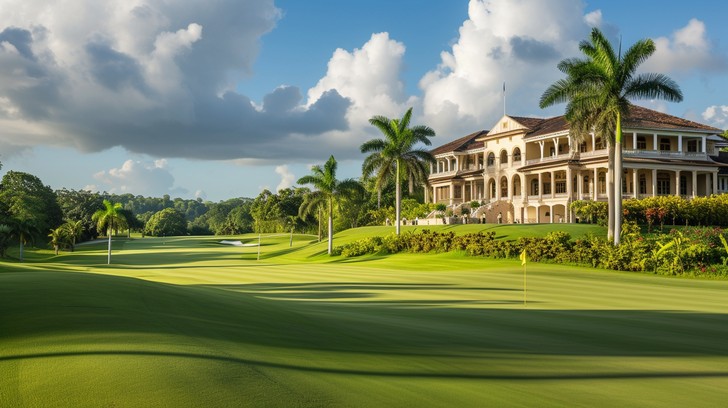
Approaching the market for the best luxury golf estates united states through standard real estate comparables leads to fundamental analytical mistakes. Traditional valuation models fail when applied to properties whose market value is inextricably linked to proprietary club equity, golf membership availability, course architect provenance, and private gate governance. An estate positioned on the 18th fairway of a nationally ranked championship course carries a valuation premium that reflects both the underlying land and perpetual access to an exclusive social and athletic infrastructure.
A prevalent misinterpretation involves conflating physical house size with overall asset desirability. Many buyers focus exclusively on square footage, automated home systems, or interior styling, underestimating the critical importance of club tier structures, trail access, and view corridors. A smaller architectural commission with uncompromised, protected views over a classic course designed by a master architect frequently commands higher liquidity and appreciation than an oversized residence compromised by errant golf ball trajectories or poor site orientation.
Navigating this asset class demands a shift toward forensic evaluation of both the dwelling and its governing club. The true cost and holding viability of these assets include mandatory capital assessment reserves, equity membership contributions, strict architectural review board (ARB) guidelines, and regional water rights management. Recognizing these underlying realities prevents capital misallocation and protects the long-term utility of these high-performance holdings.
Deep Contextual Background: The Evolution of American Wealth Architecture
The physical manifestation of elite golf-oriented residential design in North America reflects successive shifts in leisure habits, urban flight, and master-planned community engineering. During the late nineteenth and early twentieth centuries, golf clubs were primarily urban or suburban athletic sanctuaries designed for sport and social networking, completely separate from permanent residential living. Properties immediately bordering these historic courses were conventional townhouses or estate homes owned independently of the club entity.
The latter half of the twentieth century witnessed the birth of the modern residential golf community, pioneered by developers who recognized the immense financial synergy between real estate sales and championship course design. Master-planned enclaves emerged across the Sun Belt and Mountain West, integrating private country club facilities directly into gated residential footprints. These developments utilized the golf course as an expansive, permanent greenbelt that inflated surrounding property values while establishing strict visual and acoustic buffers against the outside world.
In the contemporary era, the definition of premier golf residential property has evolved further, driven by high-net-worth migration to tax-favorable states, the rise of remote executive leadership, and a demand for holistic wellness infrastructure. Today’s apex holdings incorporate private practice facilities, advanced recovery and fitness centers, and zero-carbon sustainable architecture. Within this evolutionary trajectory, selection criteria have shifted from mere proximity to a tee box to comprehensive lifestyle autonomy and institutional-grade asset security.
Conceptual Frameworks and Mental Models for Asset Evaluation
Evaluating properties situated within elite golf enclaves requires dedicated mental models that account for club governance, spatial positioning, and liquidity constraints.
1. The Course-to-Covenant Equilibrium
This model weighs the architectural prestige and maintenance quality of the golf course against the strictness of the community’s architectural and operational covenants. A world-class course loses value if paired with weak governance that allows incompatible home expansions, whereas overly draconian ARB rules can stifle necessary modernization. The optimal equilibrium matches a timeless course layout with stable, forward-thinking community management.
2. The Proximity Risk Index
Unlike standard residential estates, properties on golf courses face specific external hazards. This framework measures vulnerability to property damage from golf balls, noise and privacy disruption from maintenance machinery operating at dawn, and loss of privacy during tournament weeks. The ideal asset balances panoramic views of the fairway with sufficient setback and natural elevation to maintain domestic sanctuary.
3. The Membership Liquidity Coupling
This model evaluates the degree to which property value is bound to club membership privileges. In premier enclaves, owning the real estate grants direct access or priority preference to an equity membership. If club governance detaches real estate titles from membership rights, or if membership waitlists freeze, the liquidity of the physical asset can decouple from broader market trends.
Key Categories, Variations, and Comparative Trade-Offs
The landscape of premier golf real estate divides into distinct geographic and operational typologies, each carrying unique legal and financial profiles.
-
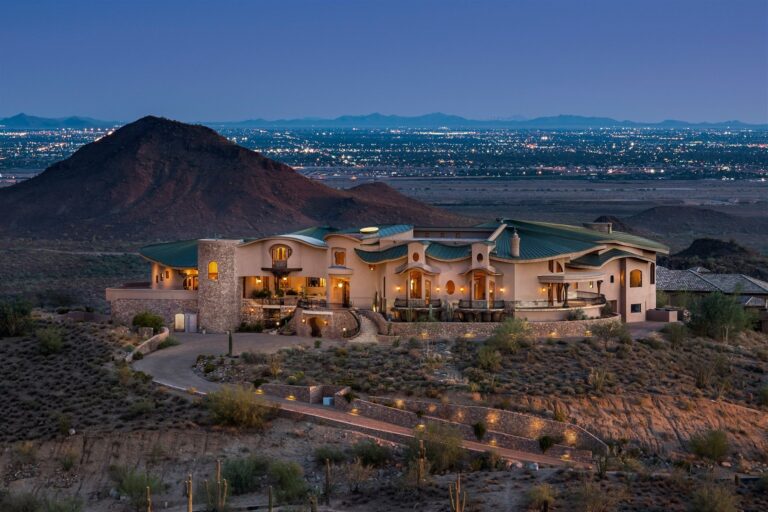
Desert Oasis Enclaves: Concentrated heavily in Scottsdale, Paradise Valley, and the Coachella Valley. Characterized by stark mountain backdrops, minimalist modernist architecture, and massive water and energy management dependencies.
-
Lowcountry and Coastal Barrier Island Sanctuaries: Found across coastal South Carolina, Georgia, and Northeast Florida. Defined by ancient live oaks, marshland vistas, sandy soils, and high vulnerability to tropical storm surges.
-
Mountain and Alpine Golf Estates: Dominating Jackson Hole, Lake Tahoe, Western Montana, and Park City. Emphasize dramatic elevation changes, rugged terrain, seasonal play windows, and strict wildlife protection corridors.
-
Classic Mid-Atlantic and Northeast Country Club Estates: Concentrated around historic metropolitan suburbs. Highlighted by mature tree canopies, traditional colonial or Georgian architecture, and deep-rooted club histories.
-
Texas Hill Country Master-Planned Sanctuaries: Anchoring suburban and rural expanses near Austin and San Antonio. Characterized by rolling limestone topography, expansive acreage lots, and rapid tech-wealth migration inflows.
-
Hawaiian Resort and Oceanfront Golf Holdings: Distributed across Maui, the Big Island, and Kauai. Distinguished by tropical climates, ocean-to-green integration, and complex resort-hotel management overlays.
Comparative Typology Matrix
| Asset Category | Operational Season | Elevation & Topography | Climate Vulnerability | Capital Intensity |
| Desert Oasis | Year-Round | Flat to Undulating | Moderate (Extreme Heat) | High-Extreme |
| Lowcountry / Coastal | Year-Round | Low-lying Flat | High (Hurricanes/Surge) | High |
| Mountain / Alpine | Seasonal (May–Oct) | Steep & Dynamic | High (Snow Load/Wildfire) | Extreme |
| Classic Northeast | Seasonal (April–Nov) | Rolling Woodland | Moderate | High |
| Texas Hill Country | Year-Round | Limestone Hills | Moderate-High (Drought) | High |
| Hawaiian Resort | Year-Round | Coastal/Volcanic | Moderate (Tropical Storms) | Extreme |
Realistic Decision Logic
Selecting an appropriate category requires matching the owner’s seasonal occupancy patterns and climate tolerances with regional operational realities. An owner seeking year-round championship play without weather interruptions must prioritize the Desert Sun Belt or Hawaii over seasonal mountain environments. Conversely, an individual escaping summer heat will find alpine enclaves optimal, accepting a restricted golf season in exchange for temperate summer conditions and dramatic scenery.
Detailed Real-World Scenarios and Acquisition Dynamics
Acquiring properties within this specialized tier involves navigating complex club bylaws, privacy veils, and multi-layered closing contingencies.
The Scottsdale Desert Club Acquisition
-
Constraints: Strict water conservation landscaping mandates, mandatory architectural compliance with desert color palettes, and heat-mitigation engineering requirements.
-
Decision Points: Determining whether to integrate subterranean cooling systems and extensive shading structures without violating local height-restriction covenants.
-
Failure Modes: Irrigation system failure or soil compaction issues leading to the rapid die-off of mature specimen cacti and imported desert flora.
-
Second-Order Effects: Escalating municipal water utility rates and strict turf-removal mandates require costly landscape re-engineering.
The Coastal Lowcountry Estate Transition
-
Constraints: High water tables, strict environmental protections governing salt-marsh runoffs, and mandatory flood-zone structural elevation codes.
-
Decision Points: Balancing the structural elevation of the main residence against the visual connection to adjacent fairways and water hazards.
-
Failure Modes: Subsurface foundation corrosion caused by brackish water intrusion and high ambient humidity in crawlspaces.
-
Second-Order Effects: Rapidly rising windstorm and flood insurance premiums force structural hardening, increasing ongoing carrying costs.
The Mountain Alpine Estate Development
-
Constraints: Short construction windows due to heavy winter snowfall, strict wildlife migration corridor easements, and complex septic-system approvals.
-
Decision Points: Installing heavy-gauge structural steel roof assemblies to handle extreme snow loads while maintaining expansive glass view corridors overlooking the course.
-
Failure Modes: Ice dam formation along complex roof valleys leading to interior water infiltration during spring thaw cycles.
-
Second-Order Effects: Prolonged contractor mobilization delays and specialized snow-removal overhead inflate annual property maintenance budgets.
The Classic Northeast Country Club Purchase
-
Constraints: Historic tree-preservation ordinances, aging municipal utility connections, and rigorous co-op or club board vetting processes.
-
Decision Points: Retaining mature canopy trees that provide privacy from the fairway versus removing trees that block natural light and drop debris onto slate roofs.
-
Failure Modes: Root system intrusion into historic clay sewer lines and underground electrical conduit networks.
-
Second-Order Effects: Lengthy architectural review cycles delay modernization updates, postponing occupancy schedules.
Planning, Cost, and Resource Dynamics
The economic framework of holding top-tier golf real estate is defined by recurring fixed operational expenditures and capital assessment liabilities.
Financial Breakdown Framework
| Expense Category | Typical Annual Outlay Range | Variable Drivers |
| Property & Municipal Taxes | $30,000 – $600,000+ | Assessed market valuation, local millage rates, municipal bond debt |
| Club Dues & Capital Assessments | $25,000 – $150,000+ | Equity membership fees, clubhouse renovations, course capital projects |
| Specialized Insurance | $20,000 – $200,000+ | Replacement cost valuations, flood/wildfire riders, liability limits |
| Estate & Grounds Maintenance | $50,000 – $300,000+ | Private landscaping, pool maintenance, exterior hardscape upkeep |
| Security & Smart Systems | $15,000 – $60,000+ | Gated community patrols, private alarm monitoring, network maintenance |
Opportunity costs in this asset class are pronounced. Capital deployed into a non-yielding residential asset within a private club incurs a steep opportunity cost relative to diversified liquid portfolios. Furthermore, transfer fees, capital contribution levies imposed by clubs upon sale, and long marketing timelines require owners to maintain a multi-year liquidity horizon.
Tools, Strategies, and Support Systems
Managing premier golf real estate requires assembling a multidisciplinary professional advisory ecosystem far beyond standard residential management.
-
Club Membership and Title Counsel: Attorneys specializing in the transferability of equity club memberships, deed restrictions, and property easements.
-
Private Risk and Insurance Brokers: Specialists capable of structuring bespoke policies that cover high-value finishes, art collections, and golf-course perimeter liability.
-
Estate Management Directors: Professional operational managers overseeing vendor schedules, security systems, and routine home maintenance.
-
Landscape and Turf Specialists: Independent arborists and horticulturists who manage private grounds without conflicting with adjacent golf course maintenance regimens.
-
Structural and Geotechnical Engineers: Consultants retained to evaluate soil stability, drainage patterns, and foundational integrity near water hazards and bunkers.
-
Smart-Home and Security Integrators: Technicians responsible for encrypted surveillance, automated storm shutters, and climate-control telemetry.
-
Tax and Estate Planning Advisors: Professionals navigating multi-state tax residency rules, homestead exemptions, and trust structures for generational transfer.
Limits of Support Systems: Advisory teams operating within exclusive golf enclaves must navigate delicate political dynamics with club boards and homeowner associations. Misalignments between private property modifications and community-wide aesthetic standards can lead to costly disputes and mandatory remediation orders.
Risk Landscape, Vulnerabilities, and Failure Modes
The risk profile of elite golf real estate is multi-dimensional, combining physical, financial, and governance hazards.
-
Club Financial Instability: If a private golf club experiences declining membership, poor financial management, or deferred course maintenance, surrounding real estate valuations can suffer sharp declines.
-
Environmental and Water Supply Restrictions: Prolonged drought conditions and municipal water cutbacks can compromise the visual and playing quality of the course, directly impacting the desirability of adjacent homes.
-
Ball Strike and Privacy Liabilities: Inadequate course design separation or poorly positioned tees can expose residences to repeated property damage and compromised private outdoor space.
-
HOA Governance Conflicts: Overbearing architectural review boards or contentious association politics can restrict an owner’s autonomy regarding home renovations and landscaping updates.
-
Catastrophic Climate Shocks: Regional exposure to wildfires, hurricanes, and severe flooding can result in uninsurable properties or catastrophic damage to both the home and the golf course infrastructure.
Governance, Maintenance, and Long-Term Adaptation
Preserving elite golf properties across generations demands a rigid operational calendar mirroring commercial asset management practices.
Review Cycles and Adjustment Triggers
-
Monthly: Inspection of perimeter security, drainage cleanouts, smart-home automation telemetry, and HVAC humidity controls.
-
Annually: Review of club financial statements, upcoming capital assessment projections, roof envelope surveys, and insurance policy audits.
-
Triennially: Comprehensive structural engineering assessment of foundation and retaining walls, hardscape leveling checks, and exterior coating refreshes.
-
Decennially: Major mechanical system overhauls (geothermal loops, HVAC chillers, backup generators) and architectural interior design updates.
Measurement, Tracking, and Evaluation Frameworks
Assessing the ongoing performance and structural health of a golf-adjacent estate requires balancing quantitative telemetry with qualitative community signals.
-
Leading Indicators: Shifts in club membership waitlist duration, upcoming capital expenditure votes by the club board, minor moisture sensor anomalies, and regional municipal water zoning agendas.
-
Lagging Indicators: Declining transaction velocity within the specific community, sudden spikes in club dues or special assessments, insurance premium re-evaluations, and visible deferred maintenance on common-area turf.
-
Documentation Standards: Maintaining an immutable digital “Estate Operations Ledger”—a secure cloud repository containing architectural blueprints, club bylaws, membership certificates, maintenance service histories, and insurance policies.
Common Misconceptions and Oversimplifications
-
Myth 1: Owning a home in a golf community automatically grants a full golf membership.
Correction: Many communities separate real estate purchase from club membership, requiring separate application processes, initiation fees, and waiting periods. -
Myth 2: Golf course homes are immune to broader market downturns due to built-in scarcity.
Correction: While premier enclaves demonstrate strong resilience, they remain sensitive to economic corrections, interest rate shifts, and regional tax policy changes. -
Myth 3: Maintenance of the golf course frontage is the homeowner’s responsibility.
Correction: Fairway maintenance is strictly managed by the club agronomy team; homeowners are typically prohibited from altering boundary turf without board approval. -
Myth 4: Higher purchase prices guarantee privacy from golfers and maintenance crews.
Correction: Improper lot orientation can expose rear outdoor living spaces to heavy foot traffic, cart paths, and early-morning maintenance noise. -
Myth 5: Standard residential contractors are fully equipped to build within gated golf enclaves.
Correction: Strict architectural guidelines, restricted construction hours, and designated vendor entry protocols require specialized builder experience. -
Myth 6: Water restrictions only impact residential landscaping, leaving golf courses untouched.
Correction: Severe drought conditions increasingly force golf clubs to adopt reclaimed water or face strict turf-reduction mandates that alter course aesthetics.
Ethical, Practical, and Contextual Considerations
The concentration of immense capital into private golf enclaves intersects with broader environmental and social realities. Golf courses require substantial water, fertilizer, and pesticide inputs, drawing scrutiny regarding local aquifer depletion and chemical runoff into regional watersheds. Furthermore, master-planned gates often create socio-economic barriers within local municipalities. Responsible ownership within the sphere of elite golf real estate requires supporting club initiatives focused on environmental sustainability such as Audubon Cooperative Sanctuary certification, advanced smart-irrigation technology, and native turf conversions ensuring that private recreational spaces harmonize with surrounding regional ecosystems.
Conclusion
The acquisition, development, and stewardship of top-tier residential property within championship golf enclaves demand an unyielding commitment to financial rigor, operational vigilance, and governance awareness. These assets transcend conventional housing categories, functioning as complex lifestyle and capital preservation instruments. By understanding the profound interplay between club bylaws, environmental engineering, and physical asset management, custodians can protect these remarkable properties, ensuring their enduring structural integrity, privacy, and market value across generations.