Best Luxury Country Estates United States: The Definitive Reference Guide
The architecture of domestic refuge in North America shifts dramatically once the boundaries extend past dense metropolitan cores and suburban rings into expansive rural landscapes. Holdings positioned at the apex of the countryside, spanning historic agricultural tracts, protected river valleys, and managed forest reserves, transcend standard residential classifications. These properties function as private agricultural enterprises, self-sustaining family preserves, and capital preservation assets. Holdings commanding elite valuations across the American interior derive their resilience not from interior finishes or cosmetic square footage, but from absolute territorial privacy, large contiguous acreage footprints, and deep ecological integration.
Evaluating this asset class requires moving away from conventional suburban real estate metrics like density-based comparable sales or urban square-footage calculations. Traditional appraisal frameworks break down when applied to country holdings that incorporate working timber operations, senior water rights, conservation easements, and extensive infrastructure networks completely removed from municipal support systems. The underlying value of an elite rural property is tied directly to its underlying terroir, its capacity for autonomous operation, and the legal frameworks protecting its surrounding viewshed from future development.
This reference study investigates the physical, operational, financial, and legal frameworks governing premier rural enclaves across the country. By stripping away commercial marketing tropes, this analysis explores the mechanics of acreage assembly, rural geotechnical engineering, natural resource management, and long-term asset preservation required to evaluate properties at the absolute apex of the built environment.
Understanding “best luxury country estates united states.”
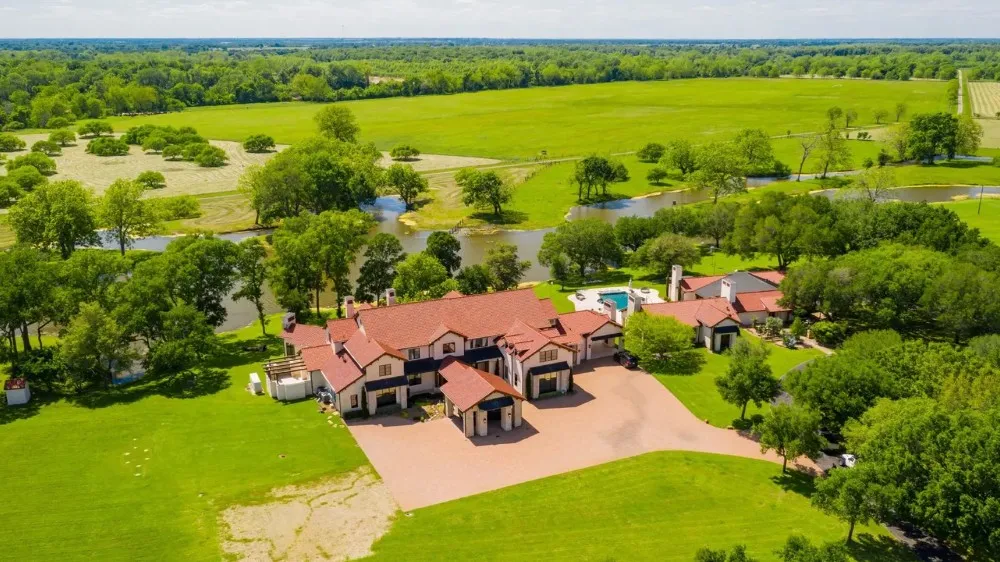
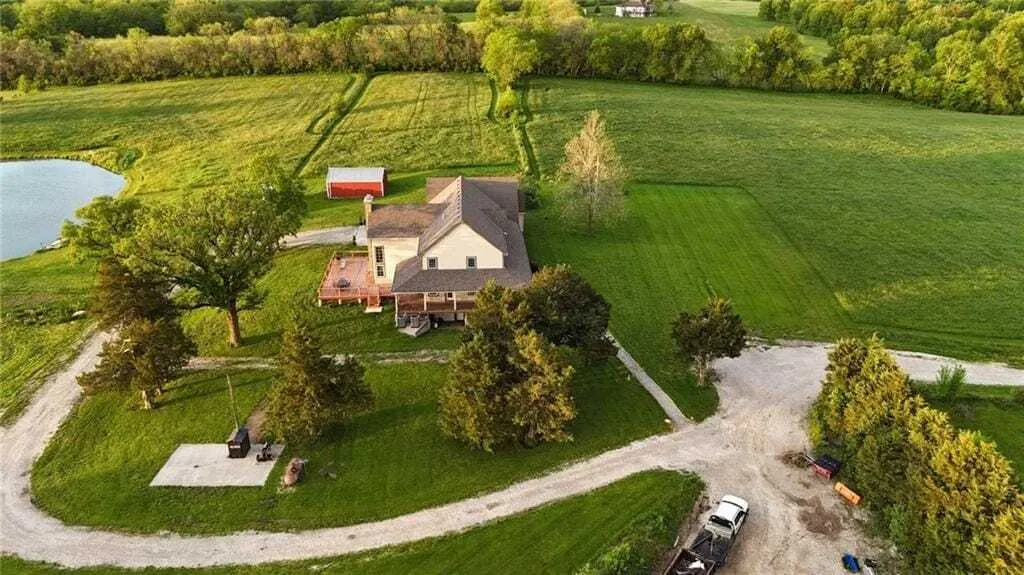
Approaching the market for the best luxury country estates united states through standard housing metrics introduces fundamental analytical errors. Traditional comparable-sales methodologies break down when evaluating parcels burdened by complex agricultural zoning, conservation encumbrances, split-estate mineral rights, and multi-thousand-acre footprints. Value in this tier is dictated by watershed integrity, soil fertility, timber maturation profiles, wildlife carrying capacity, and proximity to specialized rural infrastructure.
A prevalent misinterpretation involves treating rural structural enhancements as standard residential renovations. A primary lodge or historic manor located hours from major metropolitan contractor pools requires independent mechanical redundancies, heavy civil engineering for private road networks, and specialized water management systems that do not apply to suburban properties. Furthermore, buyers frequently underestimate the regulatory friction imposed by state agricultural boards, regional conservation trusts, and county zoning commissioners regarding land subdivision and timber harvesting.
Navigating this asset class demands a shift toward forensic facility analysis. The true cost of ownership includes compliance with local agricultural management plans, specialized rural labor pools, and perpetual ecological preservation. Recognizing these underlying realities prevents capital misallocation and preserves the long-term structural integrity of these large-footprint holdings.
Deep Contextual Background: The Evolution of American Wealth Architecture
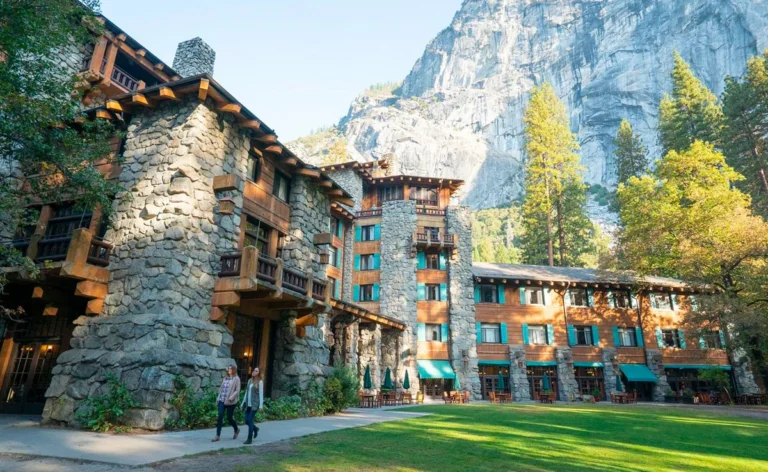
The physical manifestation of elite rural domestic architecture in North America reflects successive shifts in agrarian economics, industrial wealth creation, and changing lifestyle priorities. During the eighteenth and nineteenth centuries, major country holdings in Virginia, the Hudson Valley, and New England were established primarily around agricultural self-sufficiency, timber extraction, and working livestock operations. These early estates utilized native stone, heavy hand-hewn timber framing, and expansive acreage footprints, prioritizing productive land and natural water sources over specialized leisure infrastructure.
The twentieth century witnessed a structural transition as industrial and financial fortunes began funding recreational and conservation-oriented rural retreats. Wealthy families transformed working farms and wilderness tracts into gentleman estates, hunting preserves, and equestrian compounds. This shift altered architectural requirements, moving away from utilitarian farmhouses toward grand manor homes, specialized outbuildings, and landscaped grounds designed for seasonal entertaining and field sports.
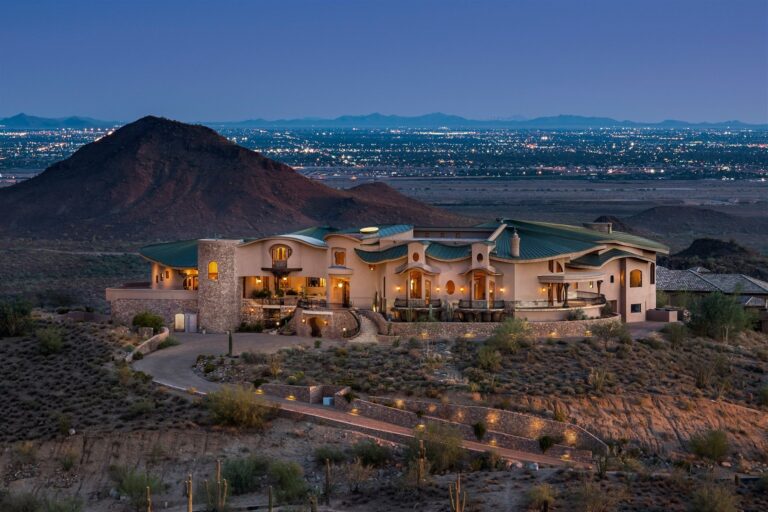
In the contemporary era, the definition of premier rural real estate has evolved further, driven by high-net-worth migration to tax-favorable states, the permanence of mobile executive leadership, and heightened demands for absolute privacy, biosecurity, and ecological autonomy. Today’s apex holdings incorporate advanced off-grid microgrid power systems, high-speed satellite communications, organic farming infrastructure, and permanent conservation easements that blend seamlessly into surrounding wilderness boundaries. Within this evolutionary trajectory, selection criteria have shifted from mere agricultural productivity to comprehensive environmental security and multi-generational legacy preservation.
Conceptual Frameworks and Mental Models for Asset Evaluation
Evaluating properties designed for elite rural use requires dedicated mental models that account for topographical scale, environmental isolation, and resource autonomy.
1. The Acreage-to-Isolation Equilibrium
This model weighs the physical scale of the land holding measured in square miles or hundreds of acres against its effective privacy buffer. A property with vast acreage can still suffer from poor interior parcel configuration or public road exposure, whereas a strategically assembled core surrounded by conservation easements achieves absolute acoustic and visual insulation.
2. The Resource Sovereignty Index
Unlike standard residential estates, country properties face complete separation from municipal utility grids. This framework measures a property’s self-sufficiency capacity across four pillars: independent water supply (wells, senior water rights, and surface storage), resilient power generation (solar microgrids with battery storage and backup diesel generation), waste management, and on-site food production capability.
3. The Regulatory and Conservation Friction Coefficient
This model evaluates the operational drag and financial opportunities imposed by conservation easements, historic district overlays, and agricultural zoning minimums. High regulatory friction restricts an owner’s ability to subdivide or alter the landscape, but it permanently protects the surrounding viewshed and provides substantial tax advantages.
Key Categories, Variations, and Comparative Trade-Offs
The landscape of premier rural real estate divides into distinct geographic and operational typologies, each carrying unique legal and environmental profiles.
-
Hudson Valley Historic River Estates: Concentrated heavily along the Hudson River corridor in New York. Characterized by sweeping water views, historic stone manors, mature park-like landscaping, and proximity to major metropolitan culture.
-
Virginia and Maryland Hunt Country Holdings: Dominating the Piedmont region. Emphasize rolling pasturelands, historic brick architecture, active foxhunting and equestrian infrastructure, and deep-rooted conservation traditions.
-
Northern Rockies Wilderness Ranches: Anchoring Montana, Wyoming, and Idaho. Highlighted by massive multi-thousand-acre footprints, dramatic mountain backdrops, private trout fisheries, and extreme winter weather conditions.
-
Texas Hill Country and Ranch Estates: Located across central Texas. Characterized by limestone topography, native oak savannas, high-fence wildlife management operations, and rapid regional wealth inflows.
-
New England Agricultural and Forested Tracts: Found across Vermont, New Hampshire, and western Massachusetts. Defined by working sugar maples, stone walls, historic farmsteads, and rigorous municipal land stewardship.
-
Pacific Northwest River and Timber Valleys: Distributed across Washington and Oregon. Distinguished by towering evergreen canopies, rich salmon rivers, temperate maritime climates, and strict environmental preservation laws.
Comparative Typology Matrix
| Asset Category | Geographic Setting | Acreage Footprint | Climate Vulnerability | Capital Intensity |
| Hudson Valley Estates | River Valleys | Moderate (50-300 Acres) | Moderate (Winter Storms) | High |
| Virginia Hunt Country | Rolling Piedmont | Extensive (200-1,000 Acres) | Moderate (Drought/Humidity) | High-Extreme |
| Northern Rockies Ranches | Mountain Basins | Massive (1,000-10,000+ Acres) | High (Wildfire/Extreme Cold) | Extreme |
| Texas Hill Country | Limestone Uplands | Extensive (500-5,000+ Acres) | High (Drought/Heat) | High-Extreme |
| New England Farms | Uplands & Valleys | Moderate-High (100-500 Acres) | Moderate-High (Freeze-Thaw) | Moderate-High |
| Pacific Northwest Valleys | Temperate Forests | Moderate-High (100-1,000 Acres) | Moderate (Rainfall/Slides) | High |
Realistic Decision Logic
Selecting an appropriate category requires matching the owner’s operational goals and lifestyle tolerances with regional geographic realities. An owner prioritizing cultural proximity and historic architectural preservation must focus on the Hudson Valley or Virginia Piedmont, accepting tighter zoning and higher property taxes. Conversely, an individual seeking absolute wilderness seclusion, large-scale wildlife stewardship, and expansive acreage must prioritize Northern Rockies or Texas ranch holdings, accepting significant logistical distance from commercial infrastructure.
Detailed Real-World Scenarios and Acquisition Dynamics
Acquiring properties within this specialized tier involves navigating complex title histories, mineral rights separations, and multi-jurisdictional environmental reviews.
The Hudson Valley Historic Estate Consolidation
-
Constraints: Strict municipal historic landmark commissions, aging subterranean infrastructure, and conservation easement restrictions on outbuildings.
-
Decision Points: Determining whether to integrate modern geothermal heating loops into historic masonry structures without violating visible exterior architectural guidelines.
-
Failure Modes: Subsurface clay tile drainage failure leading to basement moisture intrusion in stone-foundation structures dating back to the nineteenth century.
-
Second-Order Effects: Extended review cycles by historic preservation boards push restoration timelines across multiple calendar years, inflating specialized artisan labor outlays.
The Montana Greater Yellowstone Basin Ranch Assembly
-
Constraints: Split-estate mineral rights held by third parties, complex water rights adjudication, and critical grizzly bear migration corridors.
-
Decision Points: Acquiring surrounding non-contributing parcels (“landmaxxing”) to extinguish grazing leases and secure absolute privacy along riverfrontages.
-
Failure Modes: Unadjudicated historical water rights challenges from downstream agricultural users during drought years, jeopardizing irrigation quotas.
-
Second-Order Effects: Intensified federal oversight regarding wildlife fencing restrictions limits the property’s utility for livestock or private game management.
The Virginia Piedmont Conservation Restructuring
-
Constraints: Existing conservation easements held by regional land trusts, aging post-and-rail fencing grids, and county well-and-septic capacity limits.
-
Decision Points: Negotiating easement amendments to permit the construction of an ancillary guest compound without violating open-space visual density covenants.
-
Failure Modes: Encroaching non-native invasive plant species overtaking native pasture grasses and choking out high-yield forage acreage.
-
Second-Order Effects: Lengthy legal negotiations with environmental trusts delay closing timelines and require dedicated ongoing land stewardship personnel.
The Texas Hill Country High-Fence Development
-
Constraints: Strict county brush-clearance regulations, limestone caliche soils resistant to standard excavation, and localized groundwater district pumping limits.
-
Decision Points: Drilling deep Trinity or Edwards aquifer wells and installing commercial-grade reverse-osmosis filtration systems to secure potable water.
-
Failure Modes: Extended summer drought causing well yields to drop precipitously, forcing emergency water hauling to sustain landscaping and livestock.
-
Second-Order Effects: Spikes in regional property casualty insurance premiums due to extreme wildfire risks across dry brushland environments.
Planning, Cost, and Resource Dynamics
The economic framework of holding top-tier rural real estate is defined by steep fixed operational expenditures, specialized agricultural labor requirements, and continuous capital maintenance cycles.
Financial Breakdown Framework
-
Property & Agricultural Taxes: Range from $20,000 to $400,000+ annually, heavily influenced by local millage rates, acreage size, and agricultural or forest-tax exemptions.
-
Specialized Insurance: Range from $15,000 to $200,000+ annually, dictated by rural fire district response times, high replacement-cost valuations, and wildfire/flood riders.
-
Estate & Land Management: Range from $100,000 to $700,000+ annually, covering full-time estate managers, agricultural workers, heavy equipment maintenance, and road grading.
-
Utility & Off-Grid Maintenance: Range from $10,000 to $60,000+ annually, encompassing propane delivery, commercial generator servicing, solar array inverter upkeep, and well pump repairs.
-
Infrastructure & Road Upkeep: Range from $15,000 to $80,000+ annually, dedicated to private gravel road resurfacing, culvert clearing, bridge maintenance, and perimeter fence repair.
Opportunity costs in this asset class are pronounced. Capital deployed into non-yielding rural acreage incurs substantial opportunity costs relative to diversified liquid portfolios, particularly given that specialized country properties often feature longer marketing timelines during broader economic corrections.
Tools, Strategies, and Support Systems
Managing premier rural estates requires assembling a multidisciplinary professional advisory ecosystem far beyond standard residential management.
-
Agricultural and Forestry Consultants: Specialists who manage timber harvesting, soil pH balancing, crop rotation, and wildlife habitat improvement programs.
-
Water Rights and Hydrogeological Counsel: Attorneys and engineers managing well permits, spring flow allocations, and ditch company share transfers.
-
Heavy Civil and Road Contractors: Professionals equipped with excavators, graders, and compactors to maintain private miles of gravel roads and drainage ditches.
-
Specialized Rural Insurance Brokers: Underwriters capable of structuring complex farm-and-ranch policies covering outbuildings, livestock, heavy machinery, and liability.
-
Private Security and Telemetry Integrators: Technicians overseeing long-range wireless camera networks, automated gates, and satellite communication backups.
-
Estate Operations Directors: Senior managers overseeing daily staff coordination, vendor access, seasonal property transitions, and inventory control.
-
Wildlife and Conservation Biologists: Experts advising on habitat preservation, hunting program management, and conservation easement compliance.
Limits of Support Systems: The labor pool for skilled heavy-equipment operators, agricultural managers, and specialized rural contractors is severely constrained, often requiring long travel times and premium emergency call-out rates.
Risk Landscape, Vulnerabilities, and Failure Modes
The risk profile of elite rural real estate is heavily shaped by environmental hazards, geographic isolation, and infrastructure vulnerabilities.
-
Catastrophic Wildfire Encroachment: Extensive brush, timber stands, and long response times from rural fire departments create severe wildfire vulnerability.
-
Severe Weather Grid Isolation: Heavy ice storms, blizzards, or high winds can sever overhead power lines for weeks, testing on-site fuel reserves and generator autonomy.
-
Water Aquifer Depletion: Extended drought cycles and competing agricultural extraction can diminish well yields and lower pond or stream water levels.
-
Invasive Species and Agricultural Disease: Pathogens affecting timber stands (such as pine beetles or emerald ash borers) or livestock can devastate the biological asset value of the land.
-
Legal Title and Mineral Encumbrances: Split-estate mineral rights can legally permit third-party resource extraction (oil, gas, or mining) on or beneath the surface estate, threatening privacy and environmental integrity.
Governance, Maintenance, and Long-Term Adaptation
Preserving country estates across generations requires a rigid operational calendar mirroring commercial agricultural and facility management practices.
Review Cycles and Adjustment Triggers
-
Weekly: Inspection of backup generator fuel levels, security gate operations, perimeter fence integrity, and water storage tank levels.
-
Monthly: Comprehensive testing of well-water filtration systems, clearing of surface drainage culverts, and inspection of heavy equipment maintenance logs.
-
Annually: Professional forestry and wildfire mitigation review; servicing of private septic tanks and grease traps; agricultural tax exemption compliance audit.
-
Quinquennially: Comprehensive structural envelope and roof survey of all primary and secondary buildings; geotechnical review of private bridge structures and earthen dams.
Measurement, Tracking, and Evaluation Frameworks
Assessing the ongoing performance and structural health of a rural holding requires balancing physical telemetry with biological indicators.
-
Leading Indicators: Regional aquifer level reports, annual timber growth ring or health surveys, local county zoning agenda filings, and minor soil movement sensor alerts along retaining walls or bridge abutments.
-
Lagging Indicators: Escalating rural property insurance premium adjustments, visible surface erosion along private roadways, increased frequency of backup generator runtime alerts, and local agricultural labor rate inflation.
-
Documentation Standards: Maintaining an immutable digital “Rural Estate Ledger,” a secure cloud repository containing historical land titles, mineral rights deeds, conservation easement agreements, well permits, engineering drawings, and comprehensive vendor service histories.
Common Misconceptions and Oversimplifications
-
Myth 1: Owning vast acreage guarantees absolute privacy without active management.
Correction: Large parcels require active boundary monitoring, timber management, and fence maintenance to prevent unauthorized trespassing, poaching, and illegal dumping. -
Myth 2: Rural properties enjoy lower overall carrying costs than urban estates.
Correction: While property taxes per acre may be lower, the capital outlays required to maintain private infrastructure such as miles of roads, bridges, wells, and heavy machinery often dwarf urban maintenance budgets. -
Myth 3: Conservation easements strip all value and utility from a property.
Correction: Well-structured conservation easements can preserve the scenic and ecological integrity of an estate while generating substantial federal and state tax deductions. -
Myth 4: Standard residential well and septic systems work identically on large rural estates.
Correction: High-occupancy country compounds require commercial-grade engineered septic systems and high-capacity multi-stage well pumps capable of supporting distant outbuildings. -
Myth 5: Surface water on a property (ponds, streams) can be used freely for any purpose.
Correction: Water rights in the United States are heavily regulated by state law and historic allocations; landowners cannot automatically pump or divert surface water without legal water shares. -
Myth 6: Timberlands on a country estate require no intervention to remain healthy.
Correction: Overstocked forests are highly vulnerable to disease, insect infestation, and catastrophic wildfire; active silviculture and selective thinning are essential.
Ethical, Practical, and Contextual Considerations
The concentration of immense private wealth into large-scale rural landholdings intersects directly with regional agricultural economies, indigenous heritage, and wildlife conservation. Extensive private ownership alters traditional local land-use patterns, impacts rural labor markets, and influences regional watershed management. Responsible custodianship within best luxury country estates in the United States requires prioritizing regenerative agricultural practices, habitat restoration for native fauna, respectful integration with local rural communities, and active compliance with conservation trusts, ensuring that private country holdings enhance rather than isolate themselves from the broader American landscape.
Conclusion
The acquisition, management, and stewardship of premier rural properties demand an uncompromising commitment to operational discipline, ecological science, and long-term capital planning. These holdings transcend traditional real estate categories, functioning as complex, self-sustaining ecosystems that protect generational wealth while weathering environmental and economic cycles. By mastering the intricate interplay between natural resource management, legal land encumbrances, and independent infrastructure systems, owners can preserve these exceptional country holdings, ensuring their structural integrity, privacy, and enduring value across generations.